For builders, distributors, and project buyers, clearly defining these specifications helps maintain consistency across multiple openings, control costs, and reduce ordering errors.
To source wholesale molded doors efficiently, confirm the required door specifications, standardize repeated configurations, and organize each opening in a clear door schedule. Compare hollow-core and solid-core options based on the intended application, then verify finishes, hardware preparation, packaging, and delivery requirements before placing the order.
What Should Buyers Confirm When Sourcing Wholesale Molded Doors?
When sourcing wholesale molded doors, buyers should confirm the key specifications before requesting a quotation. Clear requirements help suppliers price accurately and maintain consistency across the project.
Door Style and Molded Panel Design
Confirm the overall door style first. Common options include panel doors, flush doors, and Shaker-style molded doors. Each offers a different appearance and construction approach, so the selection should match the project’s interior design and functional requirements.
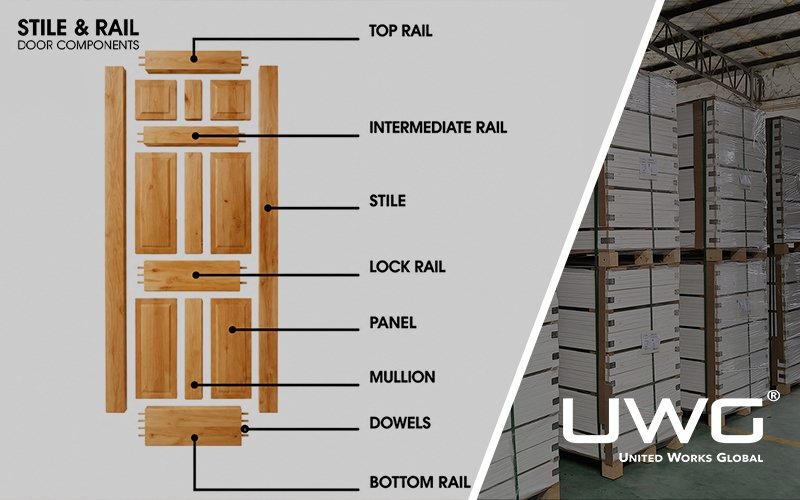
For molded panel doors, confirm the specific panel design, including the number of panels (such as 2-panel, 3-panel, 5-panel, or 6-panel), panel arrangement, proportions, and profile details. Designs may feature recessed or raised panel contours, while Shaker-style molded doors typically use simple, clean lines with flat center panels. Make sure the selected design matches the approved drawings and remains consistent across repeated openings. Compare the available molded door panel profiles before recording the approved design on the door schedule.

Core Construction: Hollow Core vs. Solid Core
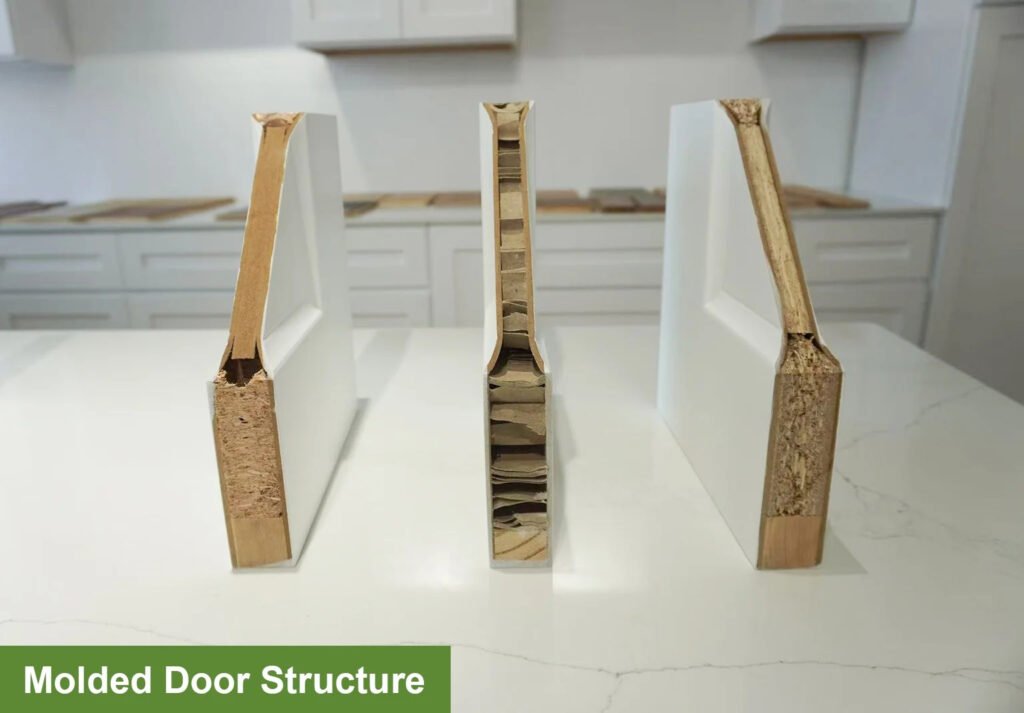
Choose hollow-core and solid-core doors for cost-sensitive applications and solid-core doors when greater weight, durability, or sound control is needed.
Door Sizes and Thickness
Specify the required width, height, and thickness. Identify standard and nonstandard sizes separately to avoid quotation and production errors. Refer to our standard interior door size guide for common dimensions and rough opening calculations.
Finish and Hardware Preparation
Confirm whether doors will be supplied primed or factory-painted. Specify hinge preparation, lock bores, and other required machining, as these details may vary by opening.
For bulk orders, buyers should distinguish between standardized specifications that apply across the project and requirements that differ by door opening. This makes it easier to coordinate pricing, production, and installation.
Hollow-Core vs. Solid-Core Molded Doors: How to Choose
| Feature | Hollow-Core Molded Doors | Solid-Core Molded Doors |
|---|---|---|
| Core Construction | Lightweight honeycomb or similar internal structure | Dense engineered core |
| Door Weight | Lightweight and easy to handle | Heavier and more substantial |
| Sound Control | Basic sound reduction | Generally better sound reduction |
| Durability | Suitable for standard interior use | Generally better impact resistance |
| Cost | More economical | Higher due to denser core materials |
| Typical Applications | Closets and budget-conscious residential projects | Bedrooms, multifamily projects, and areas requiring better sound control |
| Best Fit | Projects prioritizing cost efficiency and lightweight doors | Projects prioritizing weight, durability, and sound control |
For wholesale projects, the choice should depend on the requirements of each opening. Hollow-core doors help control costs, while solid-core doors provide upgraded performance where needed. Buyers can combine both options within one project to balance budget and functionality.
How to Standardize Door Sizes, Finishes and Hardware
Standardize Repeated Sizes and Panel Designs
Use the same door sizes and molded panel designs for repeated openings whenever possible. Identify nonstandard dimensions and different panel styles separately in the door schedule.
Match Finishes Across the Project
Confirm whether doors require factory primer or paint, and specify the required color and finish. Consistent specifications help maintain a uniform appearance across units and delivery batches.
Specify Hardware Preparation by Door Opening
Confirm hinge preparation, lock bores, and other machining requirements for each opening. Even doors with the same panel design may require different hardware preparation depending on their location and function.
For projects combining different door styles, reviewing the available interior door configurations helps coordinate panel designs, finishes, and specifications across the complete project.
How to Build a Clear Molded Door Schedule for Bulk Orders
A clear door schedule helps buyers and suppliers coordinate specifications, prepare accurate quotations, and reduce errors during production and installation.
What Information Should a Door Schedule Include?
A project door schedule should identify each opening and specify the door ID, dimensions, panel design, core type, finish, hardware preparation, and quantity. For prehung orders, include frame and jamb requirements as well.
Which Missing Details Can Delay Quotation or Production?
Missing dimensions, unclear core specifications, unconfirmed finishes, and incomplete hardware requirements can delay pricing or production. Buyers should clarify nonstandard sizes and special machining requirements before finalizing the order.
How to Identify Similar-Looking Doors with Different Specifications
Doors with the same panel design may have different core types, dimensions, or hardware preparation. Assign each configuration a unique door ID or SKU, and ensure the schedule, product labels, and packing list use matching identifiers to help prevent installation errors.
What Drives Wholesale Molded Door Pricing?
Wholesale molded door pricing depends on more than the door slab itself. Core construction, dimensions, finishing requirements, order quantity, and delivery arrangements all affect the final cost.
Core Configuration and Material Requirements
Hollow-core molded doors are generally more economical, while solid-core options cost more due to their denser core materials. The selected panel design and other material requirements can also affect pricing.
Size, Finish and Hardware Processing
Nonstandard dimensions, special finishes, factory painting, and additional hinge or lock machining may increase production costs. Confirming these requirements before quoting helps avoid unexpected charges.
Order Quantity and Supply Format
Larger orders with standardized specifications can improve production efficiency. However, the supply format and door dimensions also affect packaging, shipping volume, and installation costs.
For example, for the same order quantity:
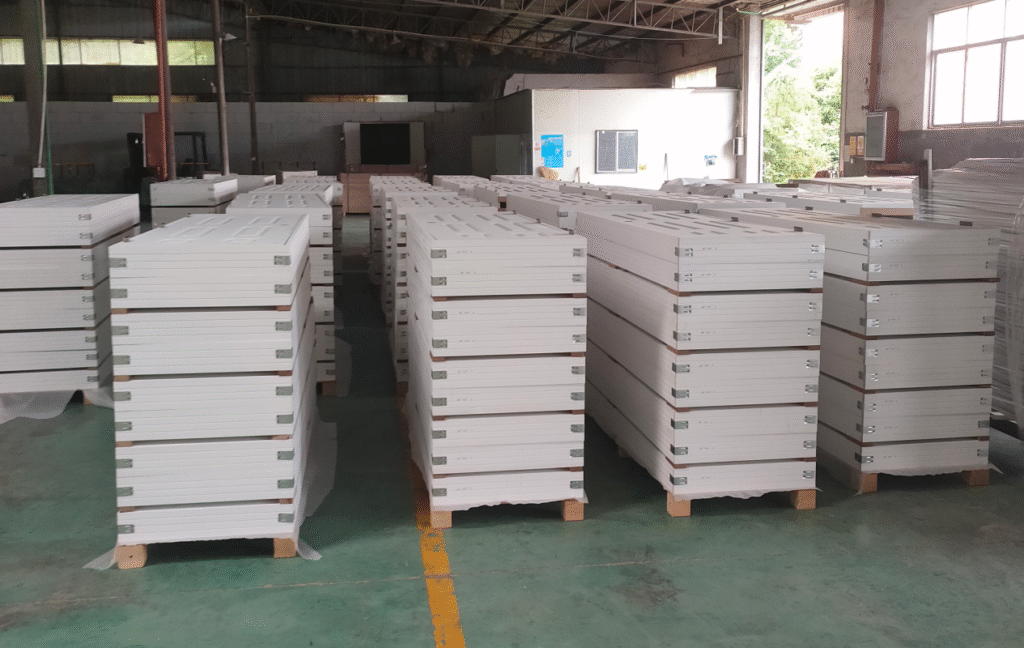
- Door Slab: Only the door panels are supplied, requiring less packaging than complete door sets. This is often a cost-effective option when frames are sourced separately.
- Knock-Down Units: Door slabs and frame components are supplied separately. Although additional components increase the package contents, the flat-packed format can improve container utilization compared with fully assembled units.
- Prehung Units: Doors arrive assembled with frames and typically installed hinges. This reduces on-site assembly work but requires more shipping space and may increase transportation costs.
Door size and weight also matter. Larger or heavier doors take up more space or weight capacity per unit, potentially reducing the number of units that can fit in a container or increasing freight costs. For wholesale orders, buyers should compare not only unit prices but also packaging, container loading, and installation requirements when choosing a supply format.
How to Reduce Costs Without Sacrificing Required Performance
Standardize repeated sizes, panel designs, and finishes wherever possible. Choose hollow-core or solid-core construction according to each opening’s actual needs, rather than upgrading every door unnecessarily. Comparing quotations with the same specifications and supply scope also helps buyers identify genuine cost savings.
How to Manage Packaging, Delivery and Repeat Orders
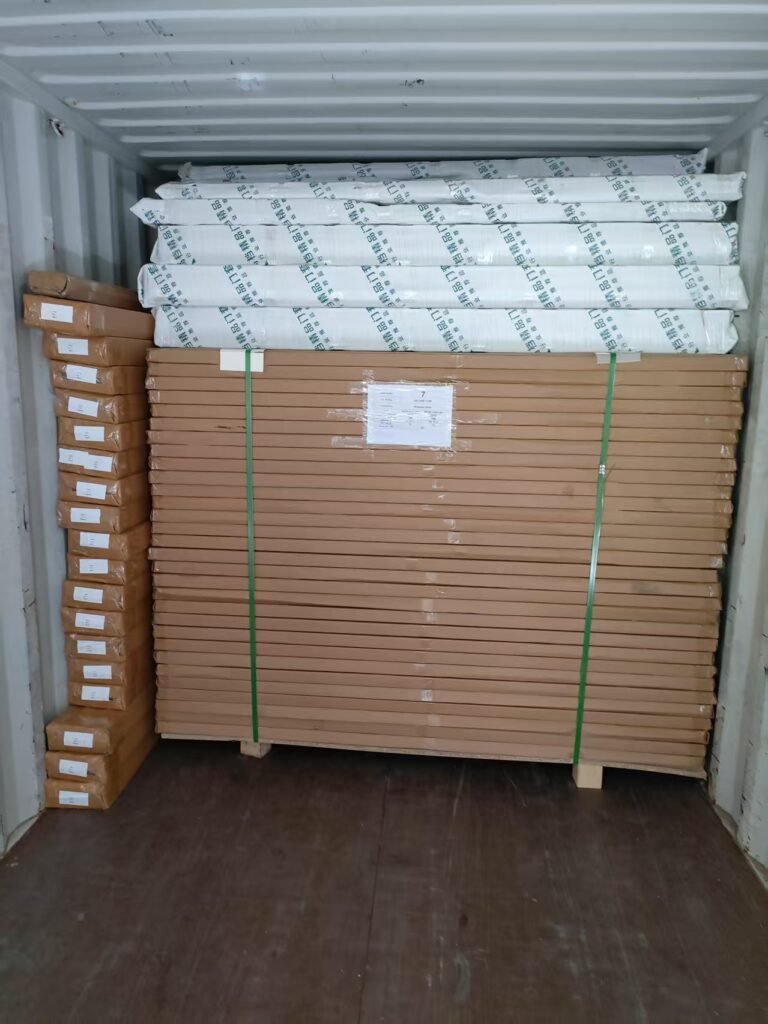
For wholesale molded door projects, proper packaging, labeling, and order records help prevent mix-ups and maintain consistency across deliveries.
Packaging and Labeling by Door ID or Installation Area
Label doors by Door ID, size, panel design, and core type where applicable. For larger projects, grouping products by building, floor, or installation area helps crews identify the correct doors on-site and reduces installation errors.
Coordinating Phased Deliveries
For projects delivered in multiple batches, confirm the quantities, specifications, and delivery schedules for each shipment in advance. Aligning deliveries with construction progress can help reduce on-site storage pressure and keep installation organized.
Keeping Specifications Consistent for Reorders
When placing repeat orders, retain the original specifications, approved samples, finish details, and hardware preparation requirements. Even if two doors look identical, differences in core construction or machining can affect their use. Referencing the original Door ID and order records helps ensure replacement or additional doors match the original order.
What Buyers Should Confirm Before Placing a Wholesale Molded Door Order
Before placing a bulk order, buyers should confirm product specifications, supply requirements, and delivery arrangements to reduce quotation errors and production delays.
Product Specifications
Confirm the panel design, core type, door dimensions, thickness, and finish for each door configuration. Clearly identify any nonstandard sizes or special requirements in the door schedule.
Hardware and Supply Format
Specify hinge and lock preparation, along with whether the order requires door slabs, knock-down units, or prehung doors. For prehung orders, confirm frame materials, jamb dimensions, and included hardware. If the quote calls for an assembled unit, confirm what comes with a prehung door unit.
Project Execution
Finalize approved drawings or samples, order quantities, packaging and labeling requirements, and the delivery schedule. For phased orders or future reorders, retain the original specifications and Door IDs to maintain consistency across batches.
FAQ
What Should Buyers Include in a Wholesale Molded Door Order?
Specify the door style, dimensions, core type, finish, hardware preparation, quantity, and supply format. Include frame requirements if ordering prehung units.
Can Hollow-Core and Solid-Core Molded Doors Be Mixed in One Project?
Yes. Buyers can use hollow-core doors for cost-sensitive openings and solid-core doors where greater weight or sound control is required, provided each door is clearly identified in the schedule.
What Information Should Be Included in a Door Schedule?
Include the Door ID, size, panel design, core type, finish, hardware preparation, and quantity. For prehung doors, also specify frame and jamb requirements.
How Do Door Finishes Affect Wholesale Pricing?
Standard primed finishes are generally more economical than custom colors or factory painting. Special finishing requirements may increase material and processing costs.
Are Molded Doors Available as Slab, Knock-Down or Prehung Units?
Availability depends on the supplier and product configuration. Buyers should confirm the required supply format and whether frames, hinges, and other hardware are included.
How Can Buyers Avoid Errors When Reordering Molded Doors?
Keep the original Door IDs, approved samples, product specifications, and finish details. Confirm the core type, dimensions, and hardware preparation before placing repeat orders.
Summary
Successful wholesale molded door sourcing depends on clear specifications, consistent documentation, and careful project coordination. Buyers should select core types, sizes, finishes, and hardware preparation according to each opening’s requirements while standardizing repeated configurations wherever possible.
A well-organized door schedule, clear labeling, and accurate order records help reduce quotation errors, simplify installation, and ensure consistency across phased deliveries and repeat orders. By evaluating the complete supply scope rather than unit price alone, buyers can better balance project cost, product performance, and procurement efficiency.