
Door hinges play a critical role in how a door functions, feels, and performs over time. While often overlooked, choosing the right type of door hinge affects door alignment, durability, weight capacity, and overall user experience. Understanding the most common types of door hinges and their specific applications helps homeowners, builders, and designers make informed decisions for both residential and commercial projects.
The most common types of door hinges include butt hinges, pivot hinges, ball bearing hinges, spring hinges, and hidden hinges, each designed for specific door functions and load requirements. Butt hinges are widely used for standard interior and exterior doors, while pivot hinges support heavy or oversized doors. Ball bearing hinges reduce friction for high-traffic areas, spring hinges provide automatic closing, and hidden hinges offer a clean, modern appearance. Selecting the right hinge ensures proper door movement, durability, and long-term performance.
Butt Hinges
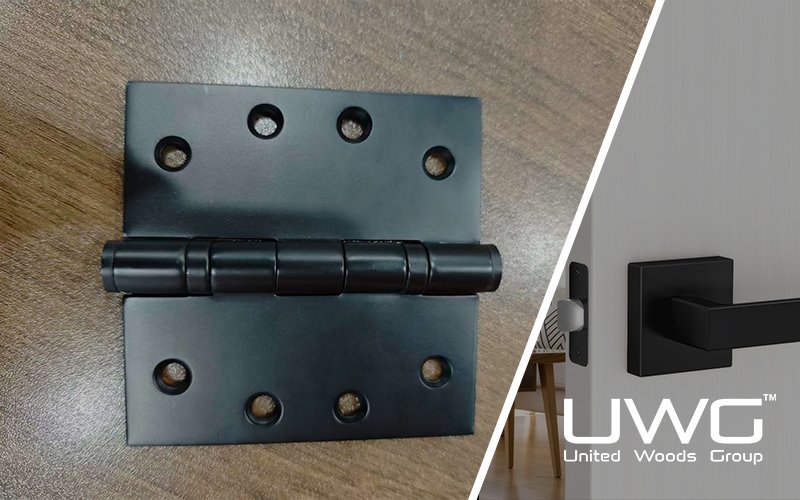
Butt hinges are the most traditional and widely used type of door hinge. They consist of two rectangular metal leaves connected by a central pin. One leaf attaches to the door, and the other mounts to the door frame.
These hinges are commonly used for interior doors and standard exterior doors. Butt hinges are available in a wide range of sizes, finishes, and materials, making them versatile and easy to source. For heavier doors, reinforced or ball-bearing butt hinges are often recommended.

Pivot Hinges
Pivot hinges operate differently from standard side-mounted hinges. Instead of attaching fully to the side of the door frame, pivot hinges are installed at the top and bottom of the door, allowing it to rotate on a vertical axis.
They are ideal for heavy, tall, or oversized doors, as the weight is distributed through the floor and header rather than the frame. Pivot hinges are commonly used in commercial buildings, modern residential designs, and architectural statement doors.

Ball Bearing Hinges
Ball bearing hinges are designed for smooth and quiet operation, especially in high-traffic areas. They include small ball bearings between the hinge knuckles, which reduce friction and wear over time.
These hinges are commonly used on exterior doors, fire-rated doors, and commercial interior doors. Ball bearing hinges are ideal for heavier doors that require frequent opening and closing, offering improved durability and long-term performance.

Spring Hinges
Spring hinges contain an internal spring mechanism that automatically closes the door after it is opened. They are often adjustable, allowing control over closing speed and tension.
Spring hinges are commonly used for doors that must remain closed for safety or energy efficiency reasons, such as fire doors, garage access doors, and commercial entryways. In some cases, building codes require spring hinges to meet self-closing door regulations.

Hidden Hinges
Hidden hinges, also known as concealed hinges, are installed inside the door and frame, making them invisible when the door is closed. These hinges are popular in modern and minimalist interior designs.
In addition to their clean appearance, hidden hinges allow for precise adjustments in multiple directions, improving door alignment. They are typically used for interior doors, cabinetry-style doors, and high-end residential applications.

Door Hinge Types, Uses, and Benefits
| Hinge Type | Best For / Applications | Key Benefits / Features |
|---|---|---|
| Butt Hinges | Standard interior and exterior doors | Reliable support, versatile finishes, reinforced options for heavier doors |
| Pivot Hinges | Heavy, tall, or oversized doors | Weight distributed through floor and header, smooth rotation, ideal for statement doors |
| Ball Bearing Hinges | High-traffic doors, exterior doors, fire-rated doors | Reduced friction, quiet operation, long-term durability, supports frequent use |
| Spring Hinges | Self-closing doors, fire doors, garage doors, commercial entryways | Automatic closing, adjustable tension, safety and energy efficiency compliance |
| Hidden Hinges | High-end residential doors, cabinetry-style doors, minimalist designs | Clean appearance, concealed, precise alignment adjustments, modern look |
Choosing the Right Door Hinge
Selecting the right hinge depends on the type of door and its intended use. Each hinge type has unique advantages and ideal applications:
- Butt Hinges: Best for standard interior and exterior doors. They provide reliable support for everyday residential doors and are versatile in design and finish. Reinforced or ball-bearing butt hinges are recommended for heavier doors to prevent sagging over time.
- Pivot Hinges: Ideal for tall, heavy, or oversized doors. Pivot hinges distribute the door’s weight through the floor and header, rather than relying solely on the frame, making them perfect for commercial entrances or statement doors in modern residential designs.
- Ball Bearing Hinges: Designed for high-traffic doors, these hinges reduce friction and wear, ensuring smooth and quiet operation. They are particularly suited for exterior doors, fire-rated doors, and commercial interior doors where durability and long-term performance are essential.
- Spring Hinges: Provide self-closing functionality, which is important for safety, energy efficiency, or compliance with building codes. These hinges are commonly used for fire doors, garage doors, and commercial entry doors where automatic closure is needed.
- Hidden Hinges: Offer a clean, modern look by remaining concealed when the door is closed. They allow precise adjustment for alignment and are ideal for high-end residential interiors or cabinetry-style doors where aesthetics and fine-tuning are important.
When choosing a hinge, consider door weight, frequency of use, and desired appearance. The right hinge ensures smooth operation, prevents sagging, extends the door’s lifespan, and matches the design intent of the space. By aligning hinge type with door function, you can achieve optimal performance and long-term reliability.
Conclusion
Understanding common types of door hinges helps ensure correct installation and long-term door performance. Whether using butt hinges for standard doors, pivot hinges for heavy designs, ball bearing hinges for durability, spring hinges for self-closing needs, or hidden hinges for a modern look, choosing the right hinge is essential for functionality, safety, and aesthetics.
Articles that you may be interested in:
Door Hinges with Springs: A Quick Guide
What Are the Best Hinges for Heavy Doors? [Contractor’s Buying Guide]