
Delays in material delivery can quietly derail even the most well-planned renovation projects. We’ve seen builders struggle with idle crews, rescheduled trades, and unexpected cost increases simply because doors arrived late. The good news is that with proper planning around bulk shaker door delivery, you can stay on schedule, reduce risk, and protect your overall project margins.
Planning your renovation project around bulk shaker door delivery means aligning your ordering timeline, supplier lead times, logistics, and installation schedule to prevent delays and cost overruns. Bulk shaker doors—known for their simple, durable panel design—require coordination between manufacturing, shipping, storage, and site readiness. Builders who proactively plan with buffer time, reliable manufacturers, and clear installation sequencing can significantly reduce downtime, avoid trade conflicts, and keep construction projects running efficiently.
In real-world projects, door delivery is rarely the first concern—but it often becomes the biggest scheduling problem if not handled correctly.
What Are Bulk Shaker Doors and Why They Matter
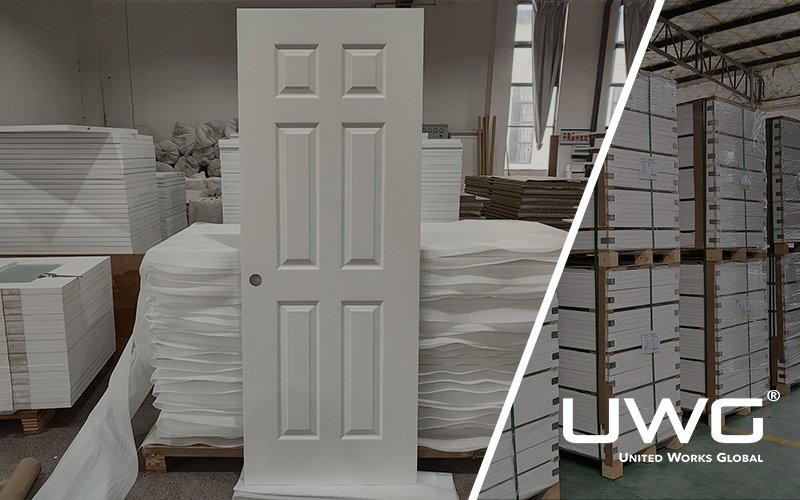
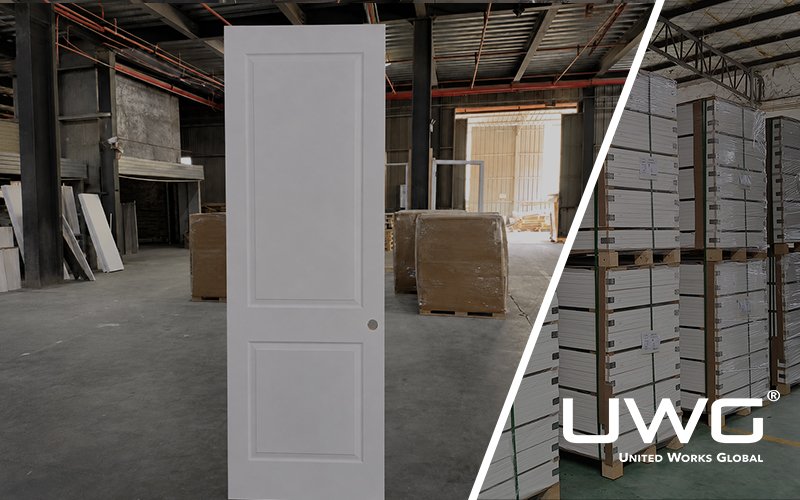
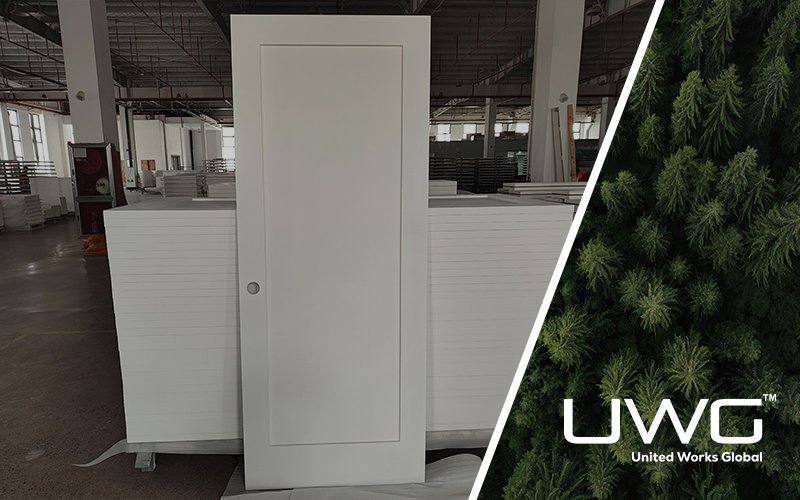
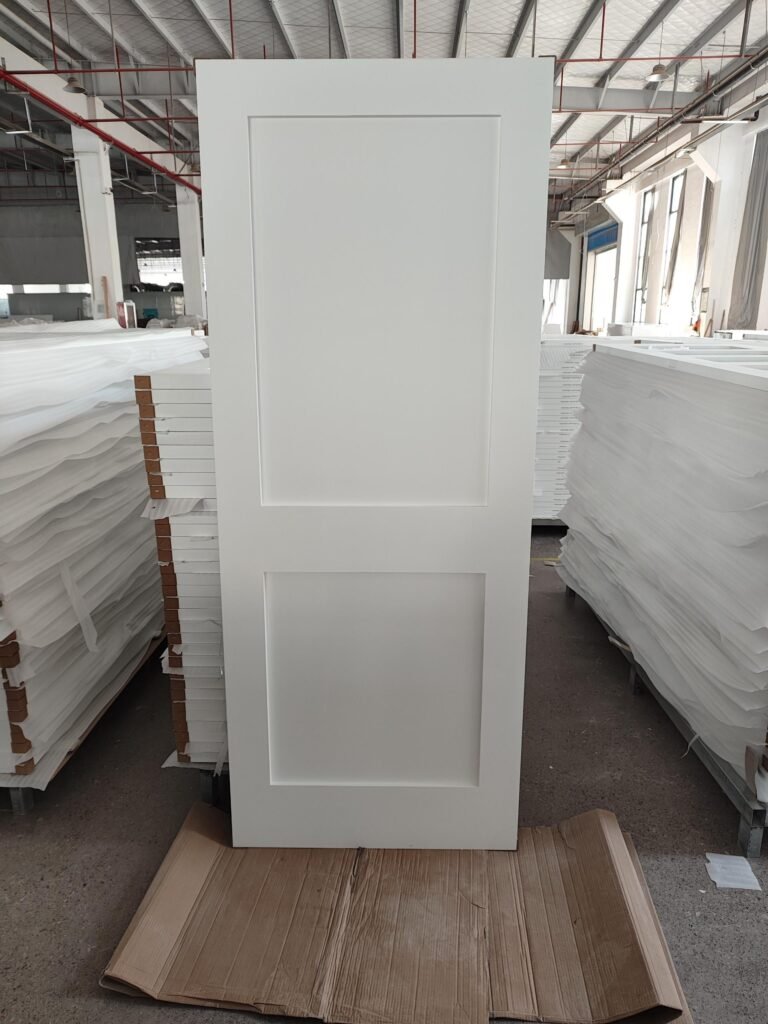
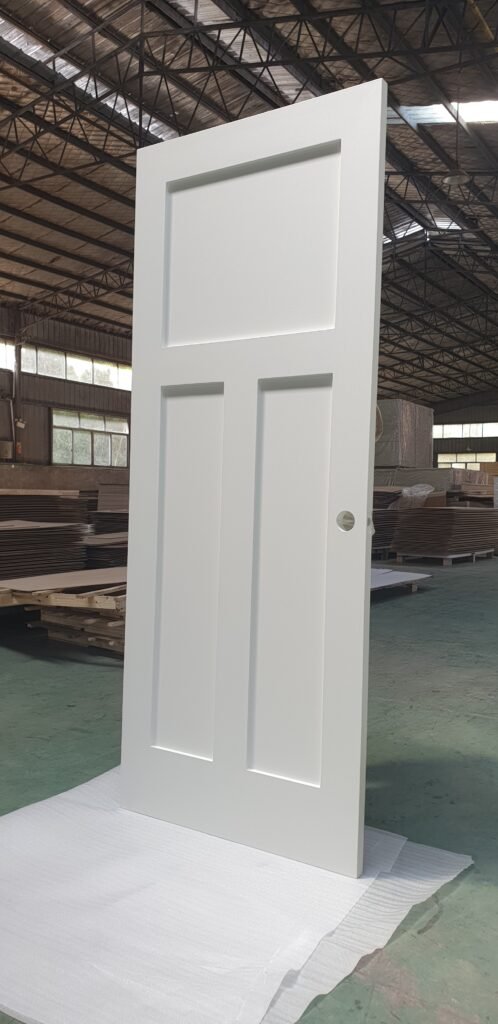
Shaker doors are interior doors featuring a flat center panel with clean, square edges and minimal ornamentation. This simple yet functional design has made them a standard choice in modern residential construction, multifamily housing, and renovation projects across the United States.
From a manufacturing and export perspective, shaker doors are highly efficient to produce in large quantities. Their standardized construction allows for consistent quality control, streamlined production, and cost savings when ordered in bulk. In several of our past export projects to U.S. builders and developers, bulk shaker door orders helped maintain uniformity across entire housing developments while reducing procurement complexity.
However, while the product itself is straightforward, the logistics behind it are not. Unlike small materials, doors are large, sensitive to environmental conditions, and often tied directly to multiple downstream tasks such as trim work, painting, and final inspections.
This means that door delivery is not just a supply issue—it is a scheduling anchor point in your renovation timeline.
How long does it take to receive bulk shaker doors?
In most U.S. construction scenarios, bulk shaker door lead times range between 6 and 10 weeks, but this varies depending on several factors including customization, order volume, and supplier location.
Based on our experience as a manufacturer and exporter, the timeline typically includes:
- Order confirmation and shop drawings: 3–7 days
- Production: 4–7 weeks
- Quality inspection and packaging: 3–5 days
- Shipping and delivery: 4–7 weeks
For large export orders, the total timeline can extend to 8–12+ weeks.
One key mistake builders make is focusing only on factory production time while ignoring logistics and coordination. According to the National Association of Home Builders (NAHB), ongoing supply chain challenges have continued to affect construction material timelines, making early procurement planning more important than ever.
When should interior doors be installed during a renovation?
Interior shaker doors should be installed at a carefully planned stage to avoid damage and ensure proper alignment.
The ideal installation sequence is:
- Structural framing completion
- Electrical and plumbing rough-ins
- Drywall installation and finishing
- Flooring preparation or partial installation
- Interior door installation
- Trim, casing, and painting
Installing doors too early can expose them to moisture, dust, and physical damage. In one of our past projects, early installation led to surface scratches and alignment issues after flooring adjustments.
On the other hand, installing too late can delay finishing trades and extend project timelines. The key is to coordinate delivery so that doors arrive just before installation readiness.
How do you plan a renovation timeline around door delivery?
The most effective approach is reverse planning, where you start from the installation date and work backward.
A practical method includes:
- Set installation deadline
- Confirming total lead time (production + shipping)
- Adding a 1–2 week buffer for unexpected delays
- Placing the order early
- Preparing storage and site access
For example, if installation is scheduled for July 1st and total lead time is 8 weeks, ordering should be completed by early May at the latest.
In our experience, builders who follow this structured approach reduce scheduling conflicts significantly and maintain better control over project timelines.
How do delivery delays impact construction schedules and costs?
Delivery delays can have a cascading impact on the entire renovation process.
Typical consequences include:
- Idle labor and increased labor costs
- Rescheduling conflicts between trades
- Delayed finishing work
- Extended project timelines
- Increased overhead expenses
In one real project scenario we supported, a delayed shipment caused a 12-day installation delay, which resulted in nearly a 10% increase in labor-related costs.
Industry studies also show that material delays are among the top contributors to construction budget overruns, reinforcing the importance of proactive planning.
How to avoid construction delays when using bulk shaker doors?
Avoiding delays requires a proactive and systematic approach.
Based on our experience, the most effective strategies include:
- Finalizing all specifications before production begins
- Working with experienced and reliable manufacturers/exporters
- Building buffer time into every stage of the timeline
- Coordinating delivery with site readiness
- Monitoring production and shipping progress regularly
In one case, a builder avoided a major delay simply by implementing weekly progress check-ins during production. This level of communication can significantly reduce uncertainty and risk.
Planning Around Bulk Shaker Door Delivery
3.1 Renovation Timeline Planning
A well-structured renovation timeline involving door delivery typically includes:
- Design and specification phase
- Supplier selection and quotation
- Order confirmation
- Production scheduling and manufacturing
- Quality inspection and packaging
- Shipping and delivery
- On-site inspection and storage
- Installation
Each stage must be aligned carefully. Delays in early stages often compound and affect the entire project schedule.
3.2 Lead Time Insights
Lead times can vary significantly depending on supply chain conditions.
Typical benchmarks:
- Stock doors: 2–4 weeks
- Custom doors: 4–8 weeks
- Bulk export orders: 8–12+ weeks
According to the National Association of Home Builders (NAHB), supply chain disruptions and material cost volatility continue to affect construction timelines and project delivery.
This highlights the importance of working with suppliers who have stable production capacity and reliable logistics networks.
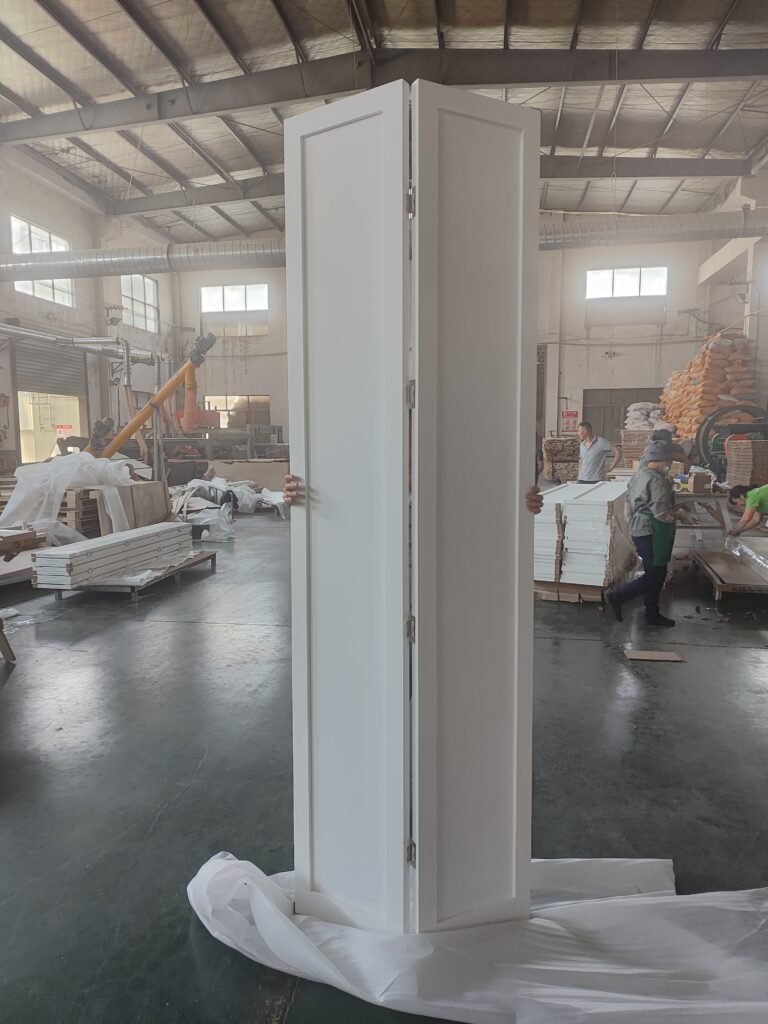
3.3 Prehung vs Slab Shaker Doors
| Type | Pros | Cons | Best Use Case |
|---|---|---|---|
| Prehung | Easy installation, consistent alignment | Higher cost, bulkier shipping | Large-scale, time-sensitive projects |
| Slab | Lower cost, flexible | Requires more labor and precision | Custom renovations, smaller projects |
From our experience, prehung doors are often preferred in projects where labor efficiency and speed are critical.
3.4 Pros & Cons of Bulk Shaker Doors
Advantages:
- Lower unit cost when ordered in bulk
- Consistent design across large projects
- Efficient manufacturing and supply
Disadvantages:
- Requires adequate storage space
- Sensitive to humidity and handling
- Lead time risks if not planned properly
In one multi-unit project, early delivery reduced procurement costs, but inadequate storage conditions led to minor product damage—highlighting the importance of site preparation.
3.5 Supply Chain Risks & Delay Scenario
Consider this scenario:
- 200 shaker doors ordered
- 6-week production timeline
- 10-day delay due to design revision
- Additional shipping delay
Impact:
- Idle installation crews
- Delayed finishing trades
- Overall cost increase of 8–12%
This example reflects common industry challenges and emphasizes the need for proactive coordination.
How can builders avoid delays in Bulk Shaker Door Delivery?
From our experience working with builders across the U.S., the following practices consistently lead to better outcomes:
- Place orders earlier than expected
- Choose suppliers with proven export experience
- Include buffer time in all schedules
- Confirm technical specifications in detail
- Ensure proper storage conditions on-site
Even small improvements in planning and communication can significantly reduce project risks and improve efficiency.
If you’re planning a renovation project and need a reliable bulk shaker door supplier, working directly with a manufacturer/exporter can help you better control lead times, costs, and customization.
Frequently Asked Questions About Planning Around Door Deliveries
Q: Why is it important to have a staging area ready before bulk Shaker doors arrive? A: A dedicated staging area ensures that doors can be unloaded and inspected immediately upon arrival. This prevents damage that often occurs when doors are left in high-traffic construction zones or improperly stacked in areas exposed to weather.
Q: How long should Shaker doors acclimate to the job site environment? A: Shaker doors should be allowed to acclimate to the job site’s humidity and temperature for at least 48 to 72 hours before installation. This stabilization period helps prevent the wood from swelling or shrinking after the doors are hung, which ensures a proper fit.
Q: What should be checked immediately upon receiving a bulk shipment? A: Upon delivery, it is crucial to perform a thorough visual inspection of every crate. Check for any transit-related damage, verify that the quantities match your purchase order, and ensure that the door specifications, such as sizing and panel configuration, align with your project requirements.
Q: How can proper delivery planning help avoid installation delays? A: Proper planning allows for a seamless transition from delivery to installation. By organizing materials by room or unit number and ensuring the job site is clean and ready for work, you reduce the time crews spend sorting through inventory, which helps keep the overall renovation schedule on track.
Summary
Planning around bulk shaker door delivery is essential for avoiding delays and controlling costs. By aligning procurement, logistics, and installation timelines, builders can improve efficiency, reduce risk, and ensure smoother project execution from start to finish.
Articles that you may be interested in:
Wholesale Primed White Shaker Doors: Pricing & Buying Guide
Top Shaker Cabinet Brands Builders and Renovators Trust for Quality and Affordability