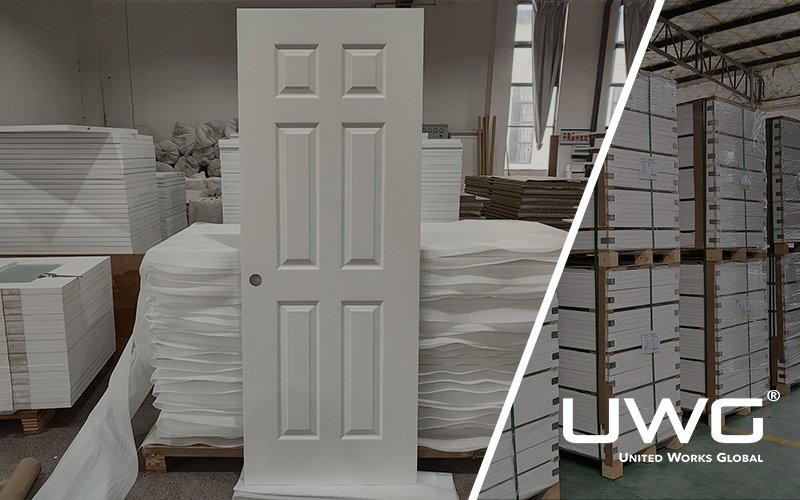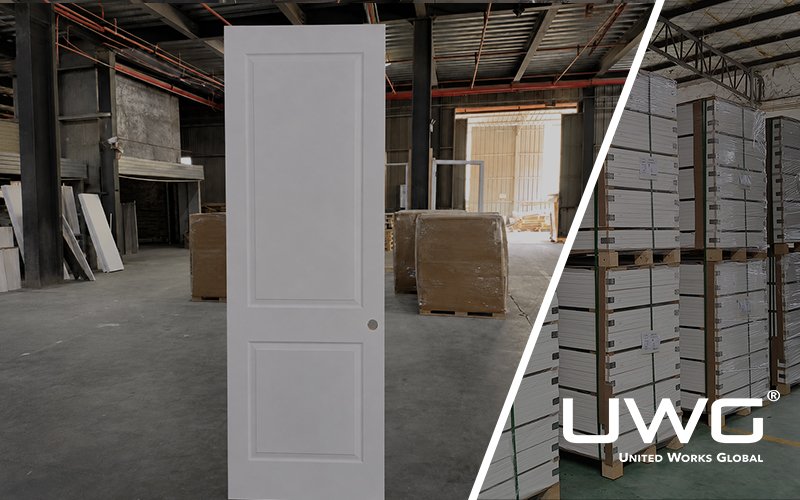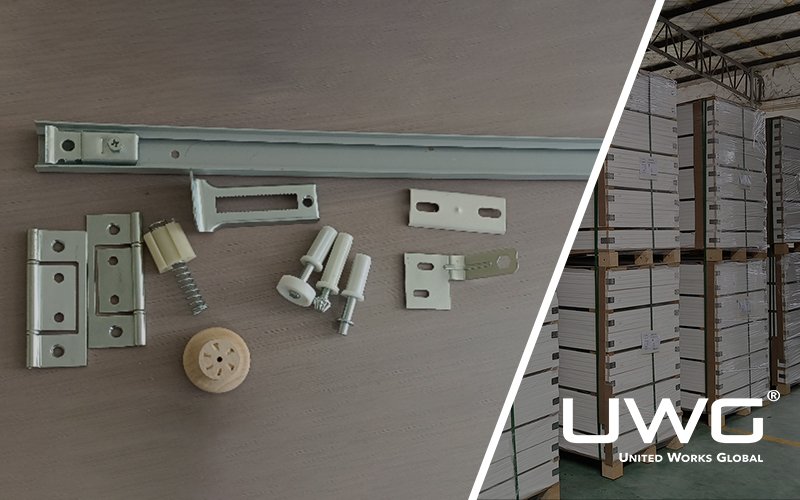

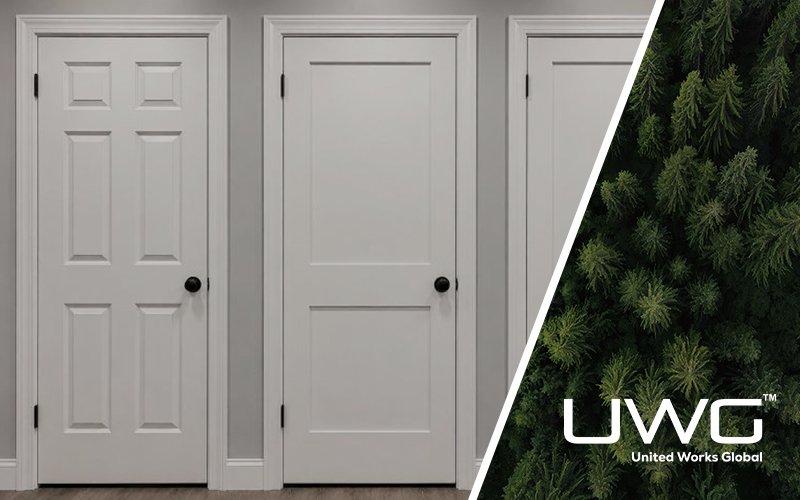
Planning interior doors for a 3-bedroom house sounds simple until small details start causing delays. One missing frame, wrong swing direction, or mismatched handle can slow down the whole trim stage. That is why I always recommend builders start with a clear interior door package before ordering.
A typical interior door package for a 3-bedroom house usually includes bedroom doors, bathroom doors, closet doors, laundry or utility doors, prehung frames, casing, hinges, handles, privacy locks, passage sets, and required trim. Builders should also confirm the most common interior door size, standard interior door height, wall thickness, swing direction, finish, and hardware style before placing the order.
The exact package depends on the floor plan, but a clear checklist helps builders quote faster, order better, and reduce site mistakes.
What Should Be Included in an Interior Door Package?
An interior door package is more than just the door slab.
For a builder, it should be a complete set of materials needed to install and finish the interior openings of a house. A basic package usually includes:
- Door slabs or prehung doors
- Door frames or jambs
- Casing or trim
- Hinges
- Passage handles
- Privacy locks for bathrooms and bedrooms
- Closet hardware
- Door stops
- Paint or finish specification
- Optional soft-close, acoustic, or upgraded hardware
For a 3-bedroom house, the package should match the door schedule on the plan. This helps avoid confusion between the supplier, builder, installer, and homeowner.
A good package should also separate each room clearly. For example, bedroom doors may need privacy locks, while closet doors may only need passage or dummy hardware. Bathroom doors need privacy sets. Laundry or utility doors may need stronger hardware depending on use.
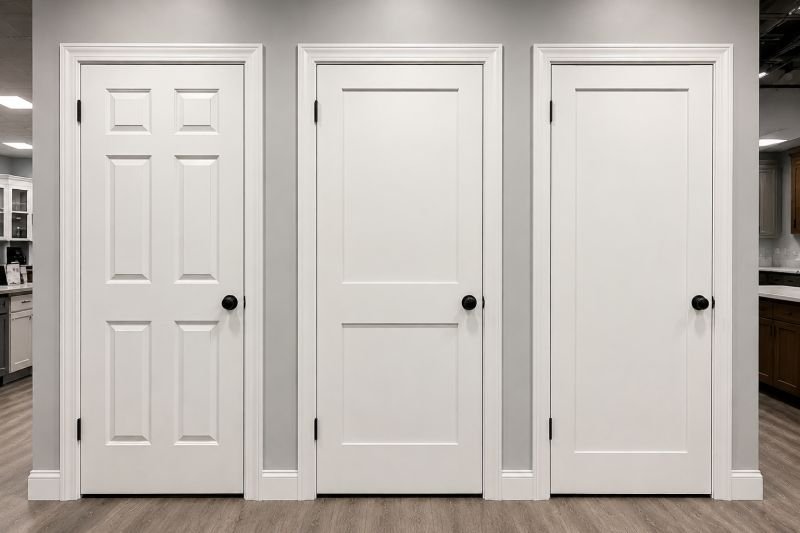
How Many Interior Doors Does a 3-Bedroom House Usually Need?
A typical 3-bedroom house may need around 10 to 18 interior doors, depending on the layout.
Here is a common example:
| Area | Typical Quantity | Notes |
|---|---|---|
| Bedrooms | 3 | Usually privacy doors |
| Bathrooms | 2 | Privacy locks required |
| Bedroom closets | 3 to 6 | Swing, sliding, or bifold doors |
| Laundry room | 1 | Passage or privacy depending on layout |
| Pantry | 1 | Often passage or bifold |
| Utility/storage room | 1 | Depends on plan |
| Basement or garage interior access | 1 | May need special rating depending on code |
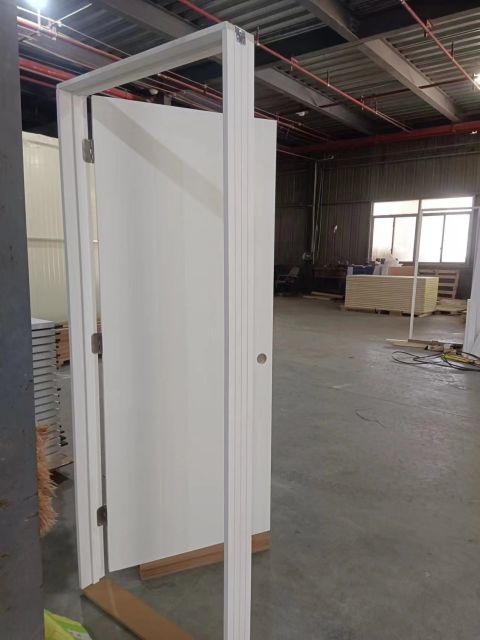
For builders, the most important step is not guessing the quantity. I suggest creating a simple door schedule from the floor plan. This schedule should list every door opening, size, handing, frame type, hardware type, and finish.
That small step can prevent a lot of back-and-forth later.
What Is the Most Common Interior Door Size?
The most common interior door size in many residential projects is around 30 inches by 80 inches or 32 inches by 80 inches.
For bedrooms, The standard interior door height is commonly 80 inches, or 6 feet 8 inches.
Wider doors may be used for primary bedrooms, laundry rooms, accessible routes, or higher-end homes. Narrower doors may appear in closets, pantries, and small bathrooms.
Builders should not rely only on “standard size.” Always check the rough opening, wall thickness, flooring height, and casing detail before ordering.
Should Builders Choose Prehung Doors or Slab Doors?
For new construction, prehung doors are usually the easier and safer choice. They come with the door already mounted in the frame, which helps installers save time and keep alignment more consistent.
Slab doors can still work, but they usually require more site labor. They are often better for replacement projects where the existing frame is still in good condition.
| Option | Best For | Advantages | Possible Drawbacks |
|---|---|---|---|
| Prehung interior doors | New builds and full remodels | Faster installation, frame included, better consistency | Higher material cost, needs accurate rough opening |
| Slab doors | Door replacement projects | Lower material cost, flexible for existing frames | More labor, hinge prep needed, harder to align |
| Custom doors | Premium homes or special openings | Better design control, unique sizes | Longer lead time, higher cost |
For most builders working on a 3-bedroom house, I would use prehung doors for main rooms and choose closet systems based on the floor plan.
This is also where searches like Home Depot Interior Doors with Frame can be useful as a reference. Retail options can help builders compare basic configurations, but project pricing should still come from the actual drawings, supplier quote, and required specifications.
What Affects the Typical Interior Door Package for a 3 Bedroom House Cost?
The Typical interior door package for a 3 bedroom house cost depends on several factors.
The biggest cost drivers are door quantity, door style, core type, frame material, hardware grade, finish, and labor. A simple hollow-core molded door package will cost much less than solid-core shaker doors with upgraded black hardware.
Here are the main items that affect the final price:
| Cost Factor | Why It Matters |
|---|---|
| Door core | Hollow-core is cheaper; solid-core feels heavier and blocks more sound |
| Door style | Flush, molded panel, shaker, glass, or custom profiles change cost |
| Frame type | Prehung frames add cost but save labor |
| Hardware | Basic handles cost less than premium lever sets |
| Finish | Primed only, painted, stained, or factory-finished options vary |
| Labor | Installation, trimming, adjustment, and painting can be significant |
| Location | Costs near Brooklyn or New York, NY may differ from other markets |
How Much Per Door to Install Interior Doors?
The cost to install interior doors varies by market and job condition. Simple internal door hanging may be priced per door, while more complex work may be quoted as part of the whole trim package.
In general, builders should separate three costs:
- The door and frame
- The hardware and trim
- The labor to install, adjust, and finish
This makes the quote easier to understand. It also helps the client see why a cheap door slab does not always mean a cheap finished opening.
A prehung bedroom door may be faster to install than a slab door that needs hinge routing, lock boring, trimming, and frame adjustment. That is why the lowest material cost is not always the lowest project cost.
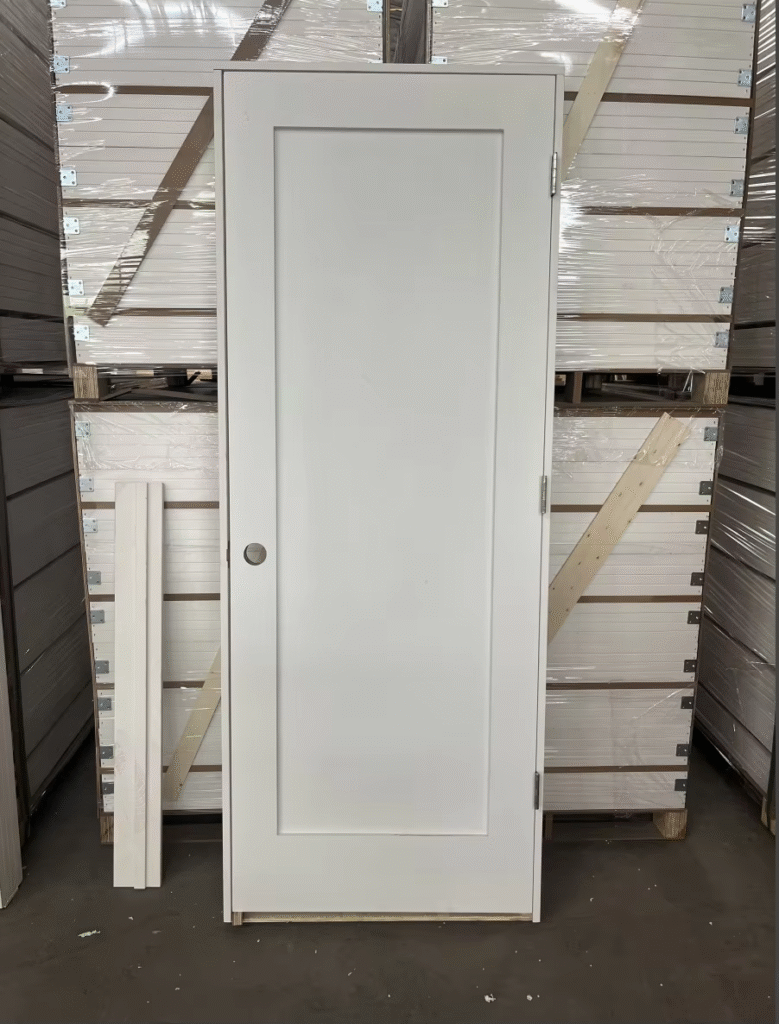
How Much to Fit 3 Internal Doors?
Fitting 3 internal doors is usually a small job, but the same rules still apply.
The builder should confirm the size, frame condition, hinge location, handle height, lock type, floor clearance, and paint finish. If the openings are not square, labor can increase. If the doors need trimming after new flooring is installed, that can also add time.
For a full 3-bedroom house, fitting only 3 doors may apply to bedroom doors, but it does not represent the full package. A complete home may also need bathroom doors, closet doors, pantry doors, laundry doors, and storage doors.
So when pricing a whole house, I would avoid using a “3-door” example as the only reference.
What Should Builders Confirm Before Ordering Interior Doors?
Before ordering, builders should confirm the technical details that often cause mistakes on site.
The first one is the rough opening. The second is the door handing, which means whether the door swings left or right. The third is jamb depth, because wall thickness must match the frame.
Builders should also check:
- Door size
- Standard interior door height
- Wall thickness
- Rough opening size
- Swing direction
- Left-hand or right-hand operation
- Floor clearance
- Casing profile
- Hardware finish
- Lock type
- Paint or stain finish
- Any acoustic or fire-rating needs
This is where a door schedule becomes very useful. It turns the floor plan into an ordering document. It also gives the supplier a clear way to quote the project.
Are Solid-Core Doors Worth It for a 3-Bedroom House?
Solid-core doors are not required for every project, but they can be a strong upgrade.
They feel heavier, close more quietly, and reduce sound better than hollow-core doors. For bedrooms, bathrooms, home offices, and laundry rooms, this can improve the living experience.
The downside is cost. Solid-core doors are heavier, more expensive, and may need stronger hinges. For budget projects, hollow-core doors are still common. For mid-range and premium homes, I would consider solid-core doors at least for bedrooms and bathrooms.
This is a practical upgrade builders can offer as an option instead of forcing it into every package.
Frequently Asked Questions About Interior Door Packages
Q: What does a typical interior door package for a 3-bedroom house include?
A: A complete interior door package contains all the essential materials needed to finish and fully install the interior openings of a house. This typically includes the door slabs or prehung doors, door frames (jambs), casing trim, hinges, door stops, and room-specific hardware such as passage handles, privacy locks for bedrooms and bathrooms, and closet hardware.
Q: How many interior doors does a 3-bedroom house usually require?
A: A typical 3-bedroom house usually requires between 10 to 18 interior doors, depending entirely on the specific floor plan and architectural layout. A standard breakdown generally includes 3 bedroom doors, 2 bathroom doors, 3 to 6 closet doors, and individual doors for the laundry room, pantry, utility storage, and basement or garage access openings.
Q: Should builders specify prehung doors or slab doors for new residential construction?
A: For new construction projects, prehung doors are highly recommended because the door comes pre-mounted within the frame, saving significant on-site labor and ensuring consistent alignment. Slab doors carry a lower initial material cost but require intensive on-site routing, boring, and frame adjustment, making them better suited for replacement projects where the existing frame remains intact.
Q: Are solid-core doors worth the extra investment in a 3-bedroom house?
A: While hollow-core molded doors are highly common for budget-conscious production housing, upgrading to solid-core doors is an excellent choice for mid-range and premium projects. Solid-core doors provide a heavier, premium feel and superior sound dampening, which drastically improves the living experience and privacy around bedrooms, bathrooms, and laundry rooms.
Summary
A strong interior door package helps builders price clearly, order accurately, and install with fewer delays. For a 3-bedroom house, I would always start with a door schedule, confirm sizes and hardware, then match the package to the plan.
Articles that you may be interested in:
Why Are 30-Inch Interior Doors the Most Common Choice?
What Is the Standard Interior Door Height? 80″ vs. 84″ vs. 96″