
Choosing the right door trim material is a decision that affects project costs, installation efficiency, and long-term customer satisfaction. Builders often need to balance budget constraints with durability requirements and design expectations. Selecting the wrong material can result in callbacks, maintenance issues, or premature replacement.
For builders, PVC is the preferred choice in moisture-prone environments, MDF offers the most cost-effective solution for interior paint-grade applications, and solid wood delivers the highest level of durability and premium appearance. The best option depends on project location, budget, expected wear and tear, and client expectations regarding aesthetics and maintenance.
Each material has strengths and limitations. Understanding how they perform in real-world construction projects can help builders make better recommendations and avoid costly mistakes.
What Makes MDF Trim Suitable for Interior Applications?
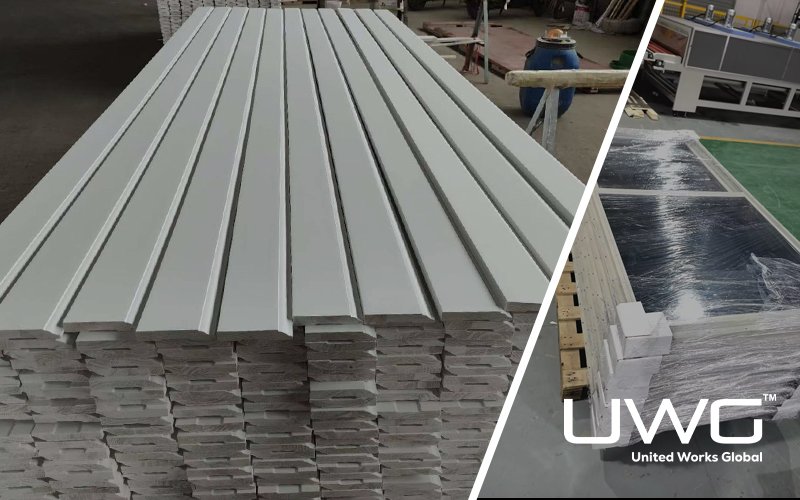
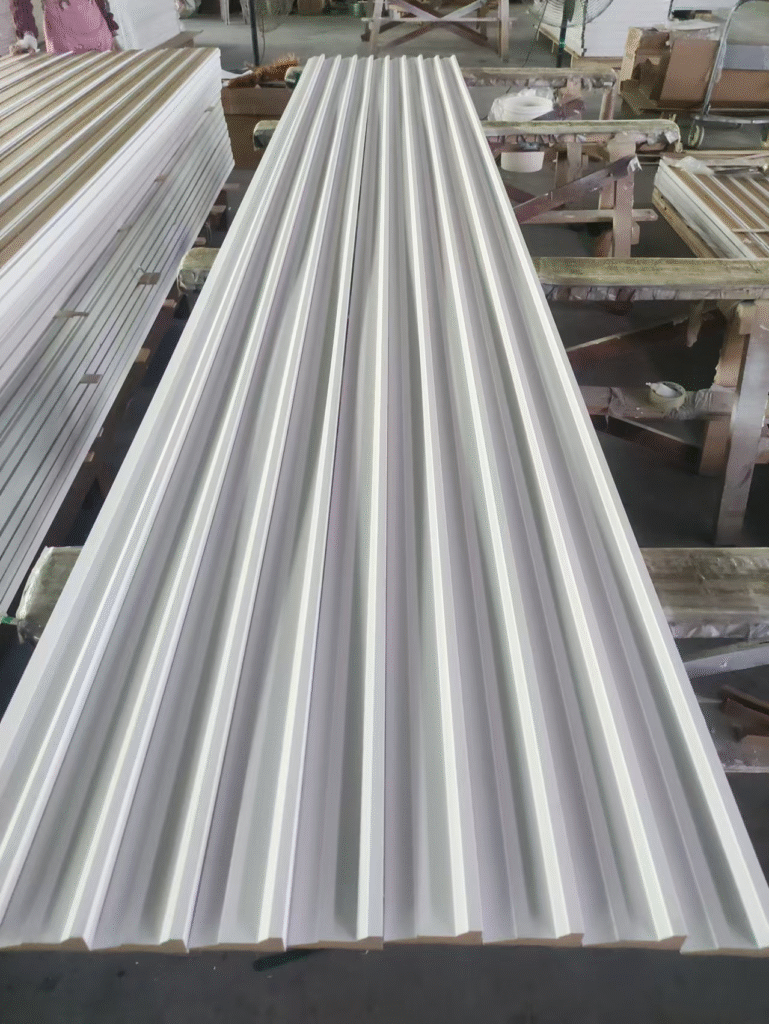
Medium-Density Fiberboard (MDF) is one of the most commonly used trim materials in residential construction. It is manufactured from wood fibers bonded with resin under heat and pressure, creating a dense and uniform product.
From a builder’s perspective, MDF offers several advantages:
- Smooth, consistent surface
- No knots or grain variations
- Easy to paint
- Lower material cost
- Stable dimensions
Because MDF has no natural wood grain, it produces a cleaner painted finish than many softwoods. This makes it particularly attractive for modern homes where crisp lines and smooth finishes are important.
However, MDF does have limitations. The material absorbs moisture quickly when exposed to water. Once swollen, it is difficult to restore its original shape. For this reason, MDF is generally recommended only for dry interior environments.
Many contractors choose MDF for:
- Bedrooms
- Living rooms
- Hallways
- Offices
- Interior closets
When properly sealed and painted, MDF can provide years of reliable performance at a competitive price point.
How Does PVC Trim Perform in Bathrooms and Wet Areas?
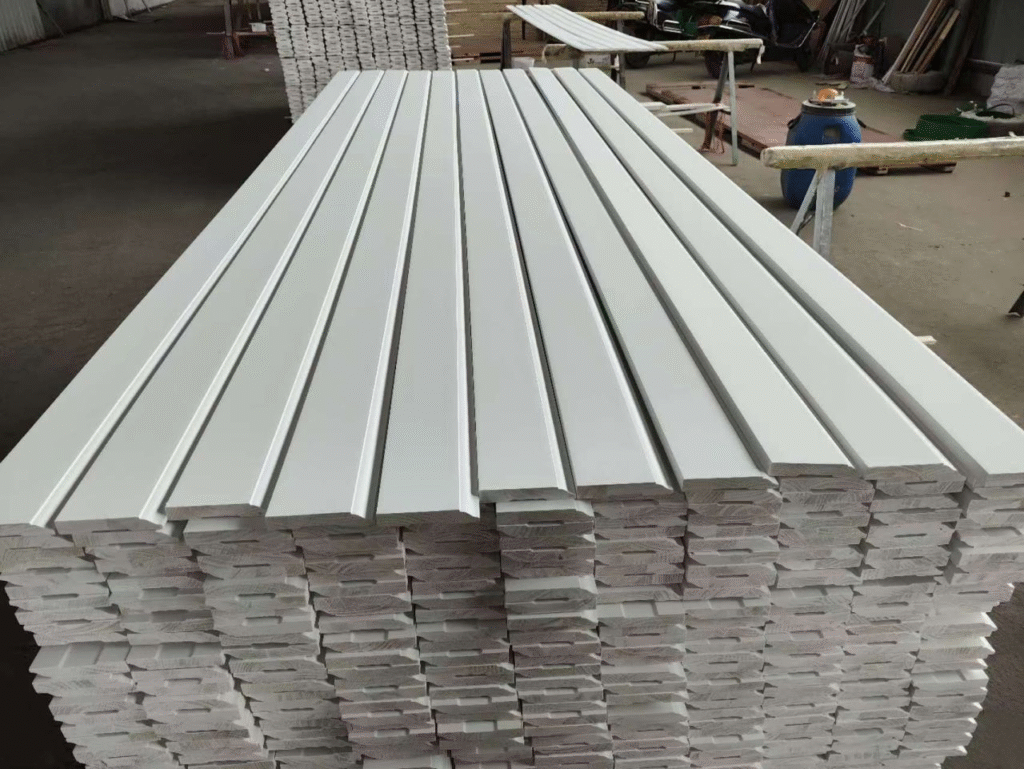
Polyvinyl Chloride (PVC) trim has become increasingly popular due to its exceptional moisture resistance. Unlike wood-based products, PVC does not absorb water, rot, or support mold growth.
This characteristic makes PVC particularly valuable in:
- Bathrooms
- Laundry rooms
- Basements
- Coastal properties
- Exterior applications
A common concern among builders is long-term durability in humid climates. Technical testing has consistently shown that PVC maintains dimensional stability even after prolonged moisture exposure.
Why Moisture Resistance Matters
Door trim installed near showers, entryways, or damp environments experiences repeated exposure to humidity. Traditional wood products may expand and contract over time, leading to:
- Joint separation
- Paint cracking
- Surface deterioration
PVC eliminates many of these issues.
One tradeoff is cost. PVC trim typically costs more than MDF. Additionally, installers must account for thermal expansion, especially in areas exposed to direct sunlight.
Despite the higher upfront investment, many builders find that PVC reduces maintenance-related callbacks and increases customer satisfaction in moisture-prone projects.
Why Choose Solid Wood for Premium Finishes and Durability?
Solid wood remains the benchmark for high-end trim applications. Its natural appearance, strength, and longevity make it a preferred choice for luxury residential and custom construction projects.
Unlike MDF and PVC, wood offers unique grain patterns that add character and visual warmth to a space.
Popular species include:
- Pine
- Poplar
- Oak
- Maple
- Cherry
Performance Advantages
Solid wood offers:
- Superior impact resistance
- Excellent structural strength
- Natural beauty
- Repairability
- Long service life
Minor dents and scratches can often be sanded and refinished rather than replaced.
Builders working on custom homes frequently recommend solid wood because it aligns with premium client expectations. It also increases perceived value and can contribute positively to resale appeal.
The primary disadvantages include:
- Higher material costs
- Potential for expansion and contraction
- Additional finishing requirements
- Greater installation precision
For projects where appearance and longevity are priorities, solid wood often justifies its additional cost.
Comparing Cost: MDF vs PVC vs Wood Trim
Material selection often comes down to budget. The following comparison provides a general overview.
| Feature | MDF | PVC | Solid Wood |
|---|---|---|---|
| Initial Cost | Low | Medium | High |
| Moisture Resistance | Poor | Excellent | Moderate |
| Paint Finish | Excellent | Very Good | Good |
| Impact Resistance | Fair | Good | Excellent |
| Maintenance Requirements | Low | Very Low | Moderate |
| Premium Appearance | Moderate | Moderate | Excellent |
| Best Use Case | Dry Interior Areas | Wet Areas | High-End Projects |
While MDF generally offers the lowest upfront cost, lifecycle costs should also be considered. Materials that require fewer repairs and replacements can deliver greater value over time.
Installation Tips: Which Material Is Easiest for Builders?
Installation efficiency can significantly affect labor costs.
MDF Installation
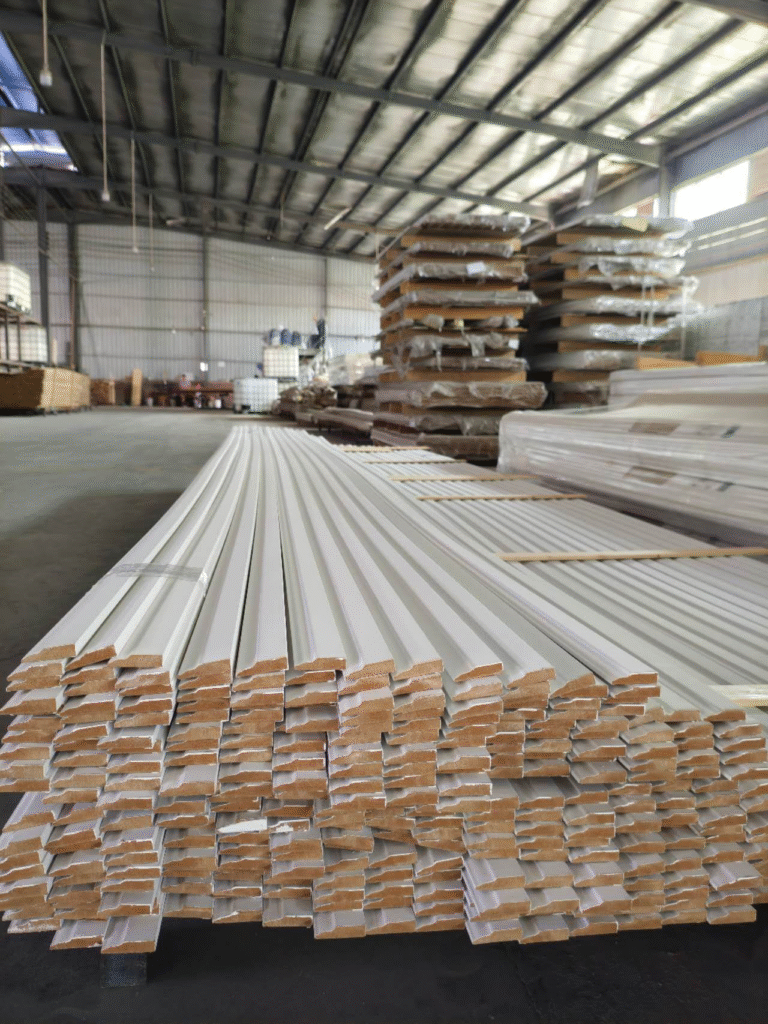
MDF is relatively easy to cut and install. Its uniform composition allows for predictable machining and clean edges.
Best practices include:
- Using sharp blades
- Priming cut edges
- Avoiding moisture exposure during storage
PVC Installation
PVC is lightweight and easy to handle. However, builders should follow manufacturer recommendations regarding fasteners and expansion gaps.
Important considerations:
- Allow room for expansion
- Use compatible adhesives
- Follow temperature guidelines during installation
Solid Wood Installation
Wood requires the most craftsmanship.
Installers should:
- Acclimate material before installation
- Account for seasonal movement
- Use appropriate finishing techniques
Although installation takes longer, experienced carpenters often prefer wood for custom projects because of its flexibility and premium results.
Can PVC or MDF Be Painted to Match Design Styles?
Paintability is an important factor for builders and homeowners alike.
MDF is widely regarded as one of the best paint-grade trim materials available. Its smooth surface allows for a consistent finish with minimal preparation.
PVC is also paintable, although special paint formulations may be recommended by manufacturers to ensure proper adhesion.
Conclusion
For most builders, there is no single “best” door trim material. MDF provides excellent value for standard interior applications, PVC excels in wet environments, and solid wood remains the premium choice for durability and appearance.
By evaluating moisture exposure, budget requirements, maintenance expectations, and client preferences, builders can select the material that delivers the best balance of performance and long-term value for every project.
Articles that you may be interested in:
How Many Doors and Trims Are Needed for a Typical Apartment Project? A Project Breakdown
What We Learned from Supplying Doors for 50+ Construction Projects