
Cabinet door profiles are one of the most influential design elements in any kitchen project. While cabinet construction determines functionality and durability, the door profile largely defines the visual style of the space.
For builders, contractors, designers, and homeowners, selecting the right cabinet door profile is about more than appearance. The choice affects manufacturing costs, project positioning, maintenance requirements, and ultimately how buyers perceive the finished kitchen.
From timeless Shaker cabinets to contemporary Slim Shaker and minimalist Slab doors, each profile offers distinct advantages for different kitchen styles and project goals.
What Is Cabinet Door Profiles?
Cabinet door profiles refer to the design and shape of cabinet door fronts, including the frame width, panel configuration, edge detailing, and overall visual appearance.
Different profiles create different design aesthetics while also influencing manufacturing complexity and installation requirements.
Cabinet door profiles generally determine:
- Overall kitchen style
- Visual depth and detailing
- Material and manufacturing requirements
- Cost level
- Compatibility with traditional or modern designs
Choosing the appropriate profile helps create a cohesive kitchen design that aligns with both aesthetic goals and project budgets.
What Are 8 Popular Styles for Modern and Traditional Kitchen?
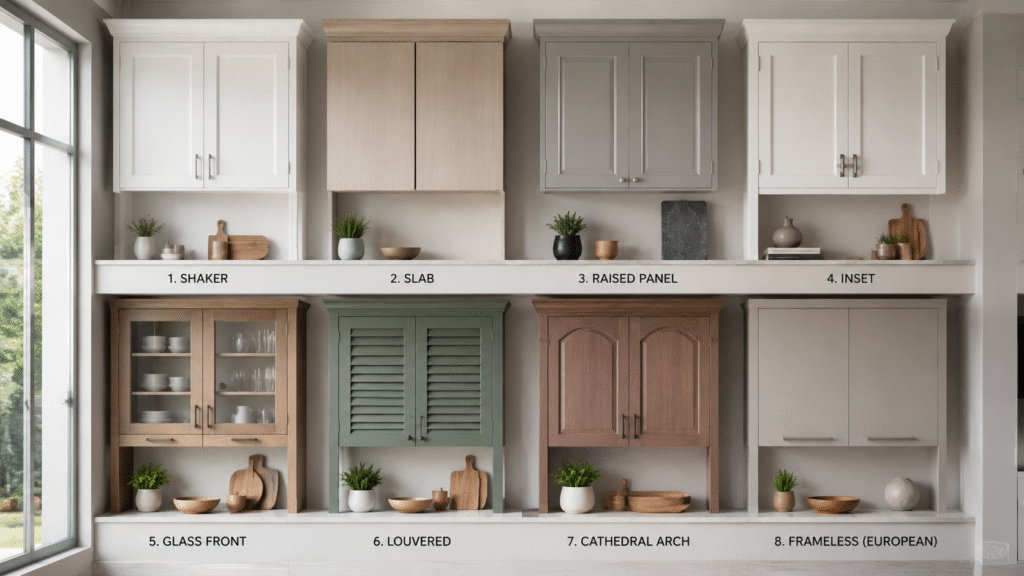
1. Shaker Style
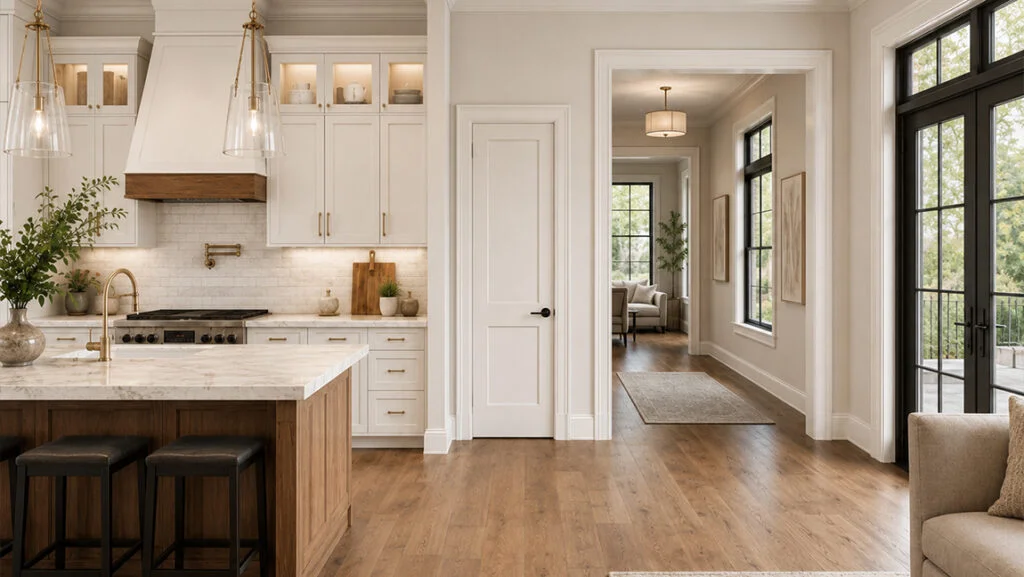
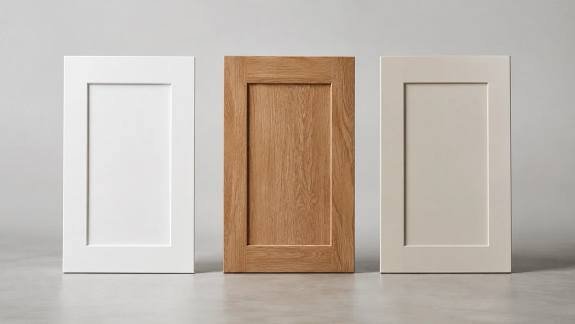
Shaker cabinet doors feature a five-piece construction with a recessed center panel. Their clean lines and balanced proportions make them one of the most versatile cabinet door profiles available today.
Shaker cabinets work equally well in traditional, transitional, farmhouse, and even contemporary kitchens. Their timeless appearance has helped them remain popular for decades.
Based on our experience working with builders and residential developers across North America, Shaker-style cabinet doors continue to represent the largest share of cabinet projects due to their broad market acceptance, efficient manufacturing process, and long-term design appeal.
2. Slim Shaker Style
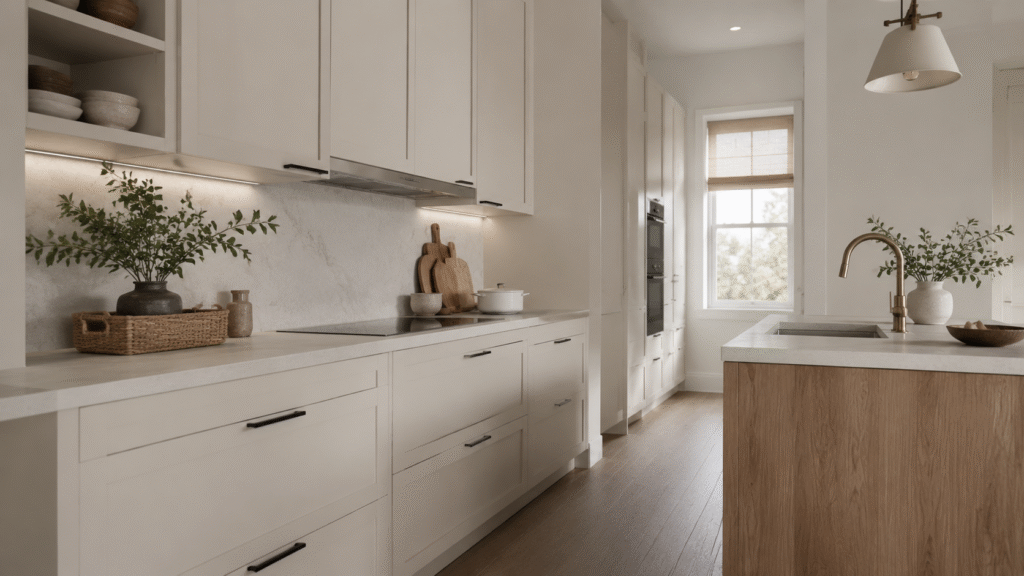
Slim Shaker is a modern evolution of the traditional Shaker profile. It uses a narrower frame around the recessed center panel, creating a cleaner and more contemporary appearance.
This profile bridges the gap between traditional Shaker and modern Slab cabinetry, making it one of the fastest-growing cabinet door styles in today’s market.
In recent years, we have seen increasing demand for Slim Shaker cabinet doors among custom home builders, multifamily developers, and modern residential projects. Many homeowners appreciate the minimalist appearance while still retaining the depth and character of a framed cabinet door.
3. Slab (Flat Panel)
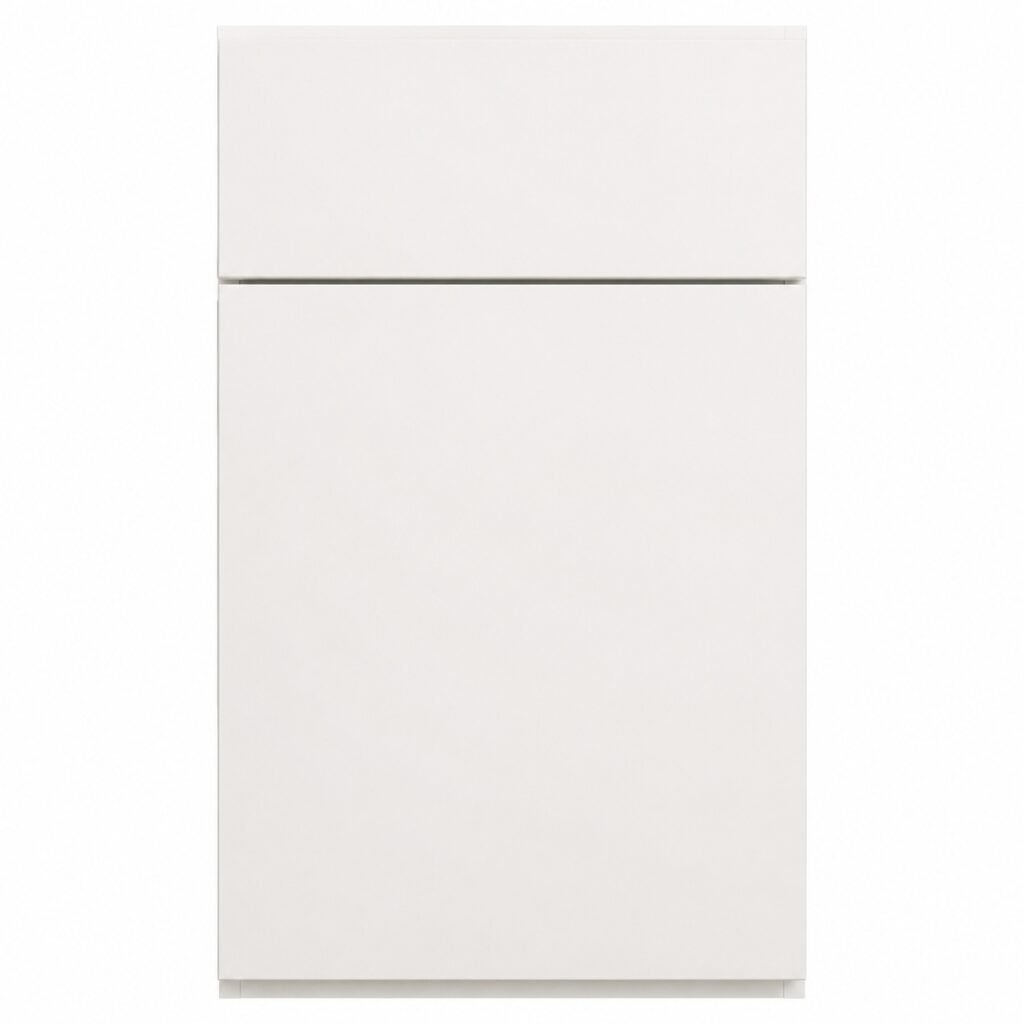
Slab cabinet doors feature a completely flat surface without framing or decorative detailing.
Their simplicity makes them a preferred choice for modern, contemporary, and European-inspired kitchens. Slab doors are also easy to clean and maintain, making them attractive for high-use family kitchens and multifamily housing projects.
Many modern luxury apartments and urban residential developments utilize Slab cabinet doors because of their streamlined appearance and efficient manufacturing process.
4. Raised Panel
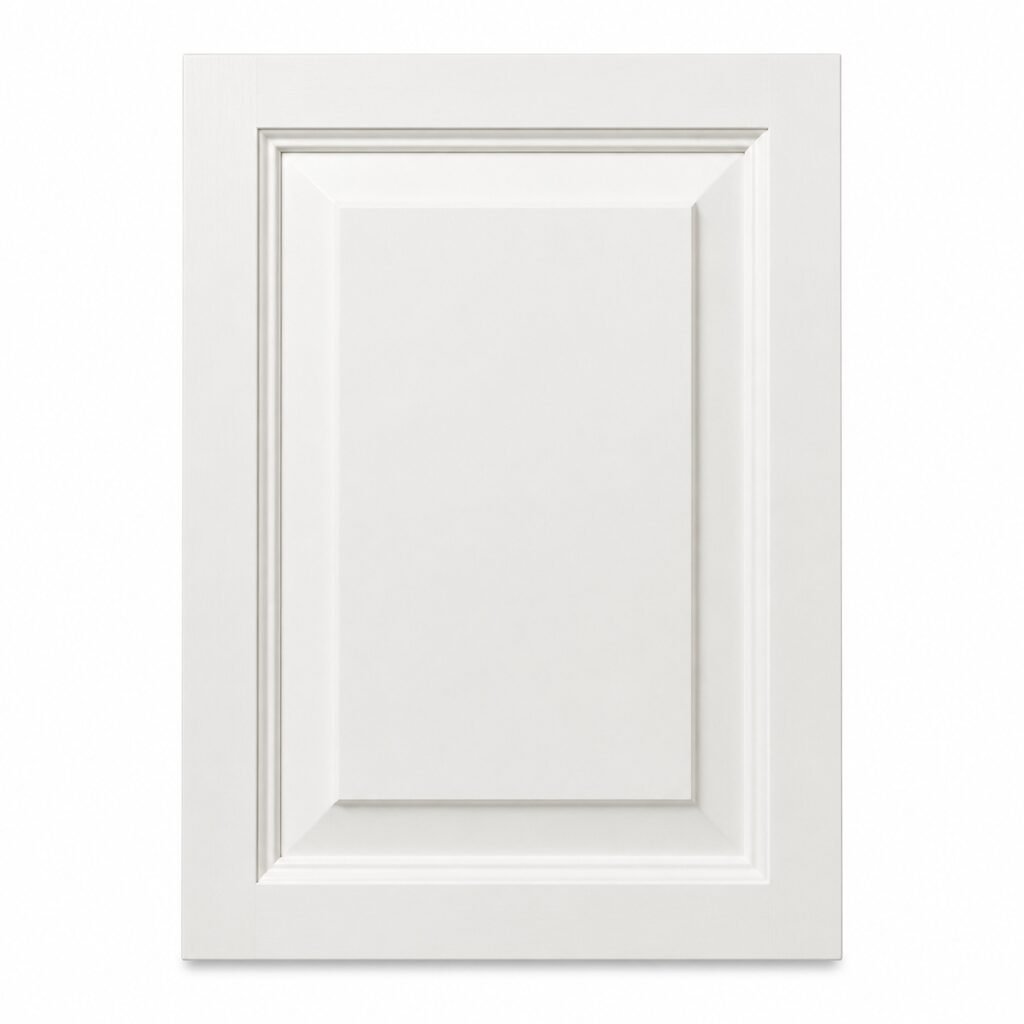
Raised Panel cabinet doors feature a center panel that extends above the surrounding frame.
This style adds visual depth and decorative detail, making it a common choice for traditional and classic kitchen designs.
Raised Panel doors are often selected for custom homes and higher-end residential projects where a more formal appearance is desired.
5. Beaded Inset
Beaded Inset cabinet doors sit inside the cabinet frame and incorporate decorative bead detailing around the opening.
This profile is often associated with premium craftsmanship and custom cabinetry.
Because Beaded Inset cabinets require greater manufacturing precision and installation accuracy, they are typically found in luxury kitchens and custom home projects.
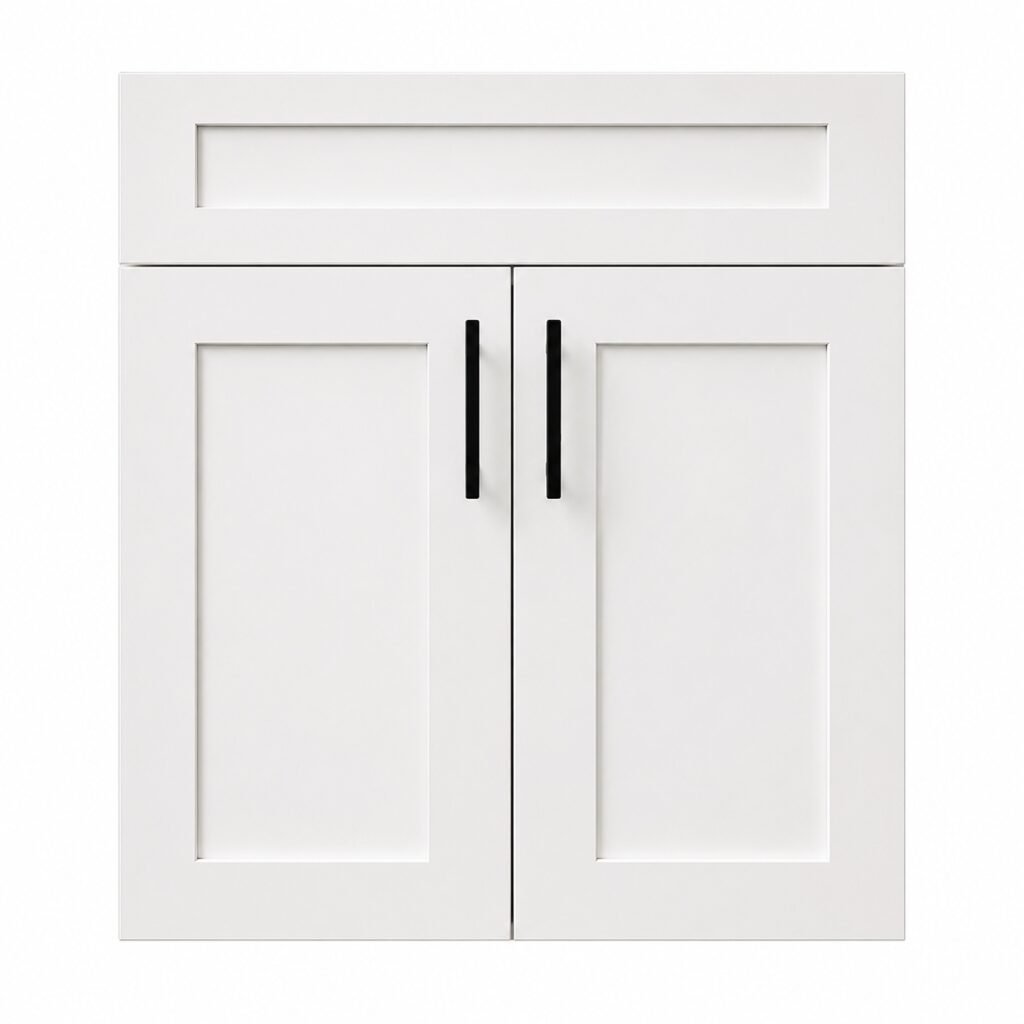
6. Glass Front Cabinet Doors
Glass Front cabinet doors combine traditional framing with transparent glass inserts.
They are commonly used for upper cabinets, display areas, coffee stations, and decorative storage applications.
Glass Front doors help break up large expanses of solid cabinetry while creating visual openness within the kitchen.
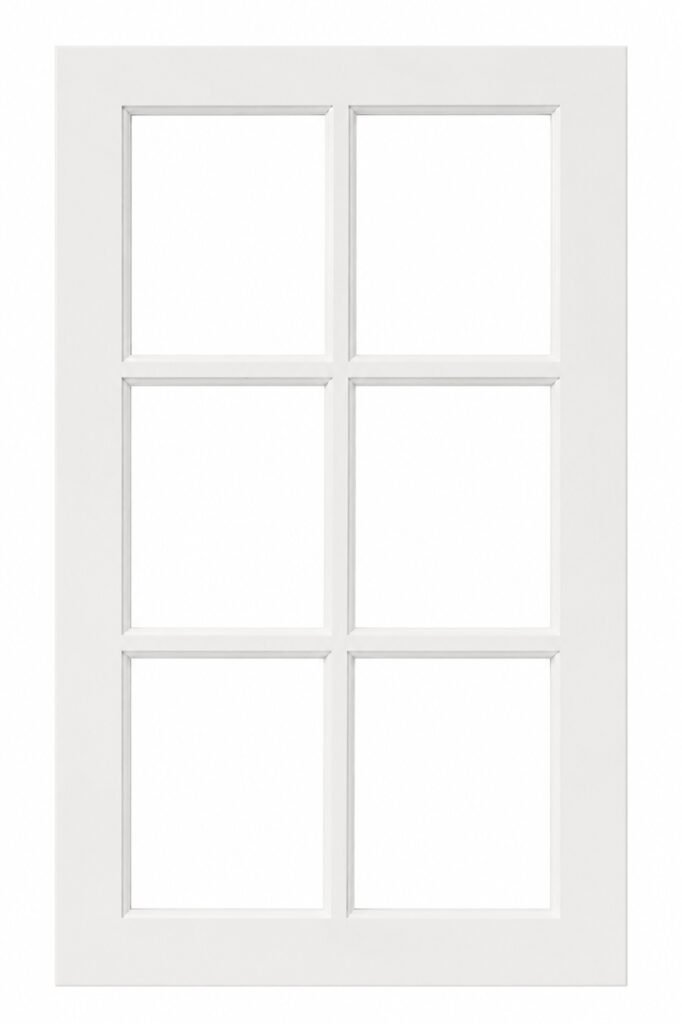
7. Louvered Style
Louvered cabinet doors feature horizontal slats designed to allow airflow.
Although less common in standard kitchen cabinetry, they are frequently used in utility rooms, pantry areas, laundry rooms, and coastal-inspired homes.
Their functional design makes them particularly useful where ventilation is important.
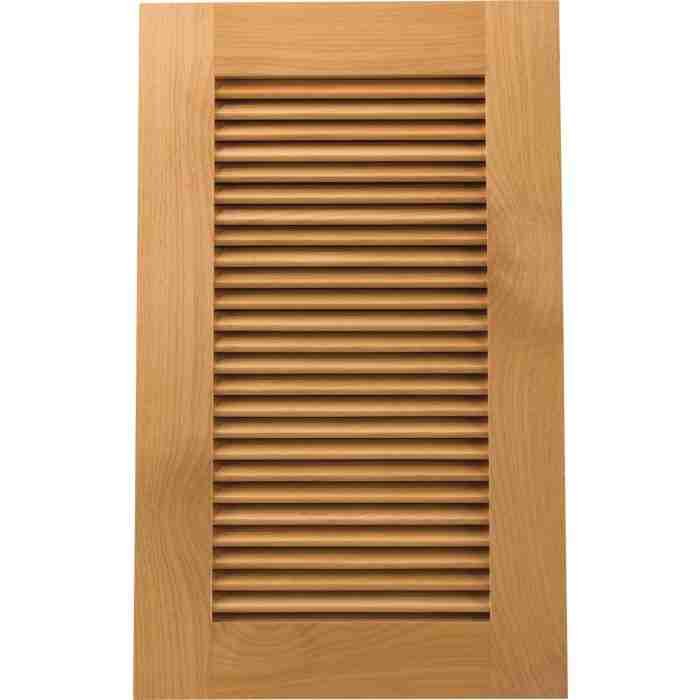
8. Cathedral Arch
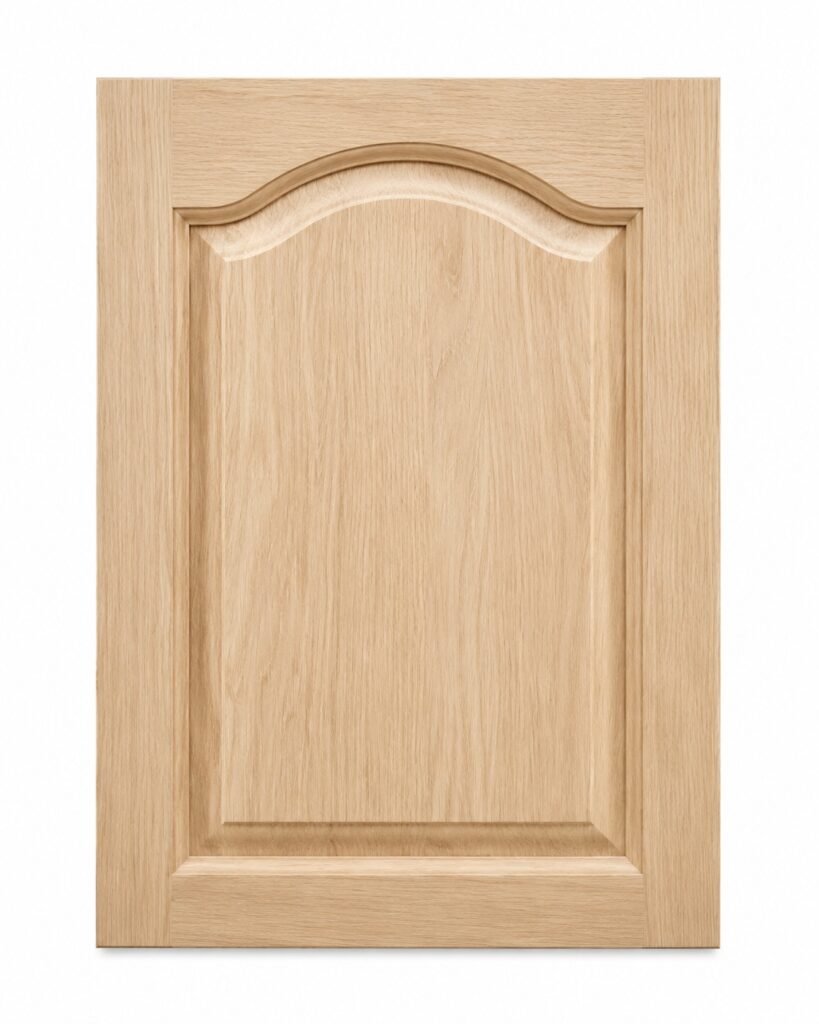
Cathedral Arch cabinet doors feature an arched top rail combined with a raised center panel.
This profile creates a classic and elegant appearance commonly associated with traditional and European-style kitchens.
While less common in contemporary projects, Cathedral Arch cabinets remain popular in luxury traditional homes and renovation projects that emphasize architectural detailing.
Pros and Cons of Different Cabinet Door Profiles
| Style | Advantages | Limitations |
|---|---|---|
| Shaker | Timeless, versatile, builder-friendly | Can appear common in production housing |
| Slim Shaker | Modern appearance, highly trending | Slightly higher machining requirements |
| Slab | Minimalist, easy maintenance | Limited visual depth |
| Raised Panel | Traditional elegance and detail | Higher cost and maintenance |
| Beaded Inset | Premium craftsmanship | Expensive and labor-intensive |
| Glass Front | Display functionality | Requires organized storage |
| Louvered | Ventilation capability | Limited applications |
| Cathedral Arch | Decorative traditional appeal | Less common in modern projects |
What to Consider Before Choosing Cabinet Door Profiles
| Factor | Modern Kitchens | Traditional Kitchens |
|---|---|---|
| Most Common Profiles | Slim Shaker, Slab | Shaker, Raised Panel, Cathedral Arch |
| Visual Style | Clean and minimalist | Decorative and detailed |
| Budget Range | Moderate to high | Moderate to premium |
| Maintenance | Easier to maintain | More detailing to clean |
| Market Trend | Contemporary and transitional | Classic and timeless |
Additional considerations include:
- Project budget
- Manufacturing lead time
- Homebuyer expectations
- Regional design trends
- Long-term resale value
Builders often prioritize profiles that balance visual appeal with broad market acceptance, which explains the continued popularity of Shaker and Slim Shaker cabinetry.
Popular Kitchen Designs Using Different Cabinet Door Profiles
Shaker Kitchens
Shaker cabinet doors remain the most commonly used profile in North American residential construction. Their timeless appearance works well across traditional, transitional, and farmhouse-inspired kitchens.
Many builders prefer Shaker cabinets because they appeal to a wide range of homebuyers while maintaining cost-effective manufacturing and installation requirements.
Slim Shaker Kitchens
Slim Shaker cabinet doors have become one of the fastest-growing cabinet styles in recent years.
By reducing the frame width, Slim Shaker profiles create a more contemporary appearance while retaining the visual depth associated with framed cabinetry.
Based on our recent builder and multifamily projects, demand for Slim Shaker cabinets continues to increase as homeowners seek a balance between modern aesthetics and classic design elements.
Flat Panel (Slab) Kitchens
Flat Panel cabinet doors are commonly used in contemporary and European-inspired kitchens.
Their smooth surfaces and minimal detailing create a clean, uncluttered appearance that works particularly well in open-concept living spaces.
Slab cabinets are often selected for luxury apartments, modern custom homes, and projects that emphasize simplicity and low-maintenance surfaces.
Frequently Asked Questions About Cabinet Door Profiles
Q: What are the most popular cabinet door profiles for North American residential construction?
A: Shaker and Slim Shaker profiles remain the dominant choices in North American residential construction due to their extreme versatility and broad market appeal. Slab (flat panel) doors are highly favored for modern and minimalist aesthetics, whereas Raised Panel, Beaded Inset, and Cathedral Arch profiles are typically reserved for traditional or luxury custom projects.
Q: What is the main design difference between a traditional Shaker and a Slim Shaker cabinet door?
A: Traditional Shaker doors feature a classic five-piece construction with a standard recessed center panel. Slim Shaker is a contemporary evolution of this profile that uses a much narrower frame around the center panel. This structures a cleaner visual line that beautifully bridges the gap between classic framed cabinetry and ultra-modern flat-panel Slab designs.
Q: Why do developers and production builders frequently specify Slab (Flat Panel) cabinet doors?
A: Slab cabinet doors feature a completely flat surface without any framing or decorative trim. Developers select them for luxury apartments, multifamily housing, and urban residential developments because they deliver an efficient manufacturing process and a streamlined, uncluttered appearance that is exceptionally easy to clean and maintain.
Q: When should high-end custom builders specify Raised Panel or Beaded Inset profiles?
A: These profiles are ideal for premium, traditional, or luxury projects requiring intricate architectural detail and a formal look. Raised Panel doors feature a center panel that extends above the frame to add deep visual detailing, while Beaded Inset doors sit entirely inside the cabinet frame with a decorative bead detail, requiring superior manufacturing precision and labor-intensive installation.
Summary
Cabinet door profiles play a significant role in defining both the appearance and market positioning of a kitchen. Among today’s most popular options, Shaker and Slim Shaker profiles continue to dominate residential construction because of their versatility and widespread homeowner appeal.
Meanwhile, Slab, Raised Panel, Beaded Inset, Glass Front, Louvered, and Cathedral Arch styles each offer unique benefits for specific design goals and project requirements.
For builders, contractors, and homeowners, understanding these profiles makes it easier to select cabinetry that aligns with budget, design intent, and long-term market expectations.
Articles that you may be interested in:
Popular Shaker Cabinet Door Styles: Balance, Edge, Bold, and Urban Explained
Cabinet Door Styles Shaker, Molded, Flat Panel, Glass Inserts