
Choosing the right door jamb style is essential for proper door installation, long-term durability, and overall project performance. Whether you’re selecting a door frame for residential construction, commercial buildings, or multifamily projects, understanding the differences between double rabbeted jambs, single rabbeted jambs, split jambs, and flat jambs can help you make the right decision.
In this guide, we’ll explain the most common door jamb types, compare their applications, dimensions, advantages, and installation requirements, and help builders, contractors, and wholesalers choose the best door jamb for their projects.

What Is a Door Jamb?
A door jamb is the vertical part of a door frame that supports the door and ensures proper alignment, smooth operation, and secure closing. It is a critical structural element in both residential and commercial door systems.
A door frame refers to the complete assembly around the door opening, including the head (top), hinge jamb, and strike jamb. In contrast, a door jamb specifically refers to the vertical side members of the frame.
The two main parts of a door jamb are:
- Hinge Jamb – The side where door hinges are installed. It supports the door’s weight and controls its movement.
- Strike Jamb – The side that receives the latch or lock strike plate, ensuring secure closure and proper sealing.
Together, the hinge jamb and strike jamb work with the head jamb to form a stable frame system that affects door performance, durability, insulation, and security.
Door jambs are available in different styles such as double rabbeted, single rabbeted, split, and flat jambs, each designed for different installation methods, building types, and performance requirements.
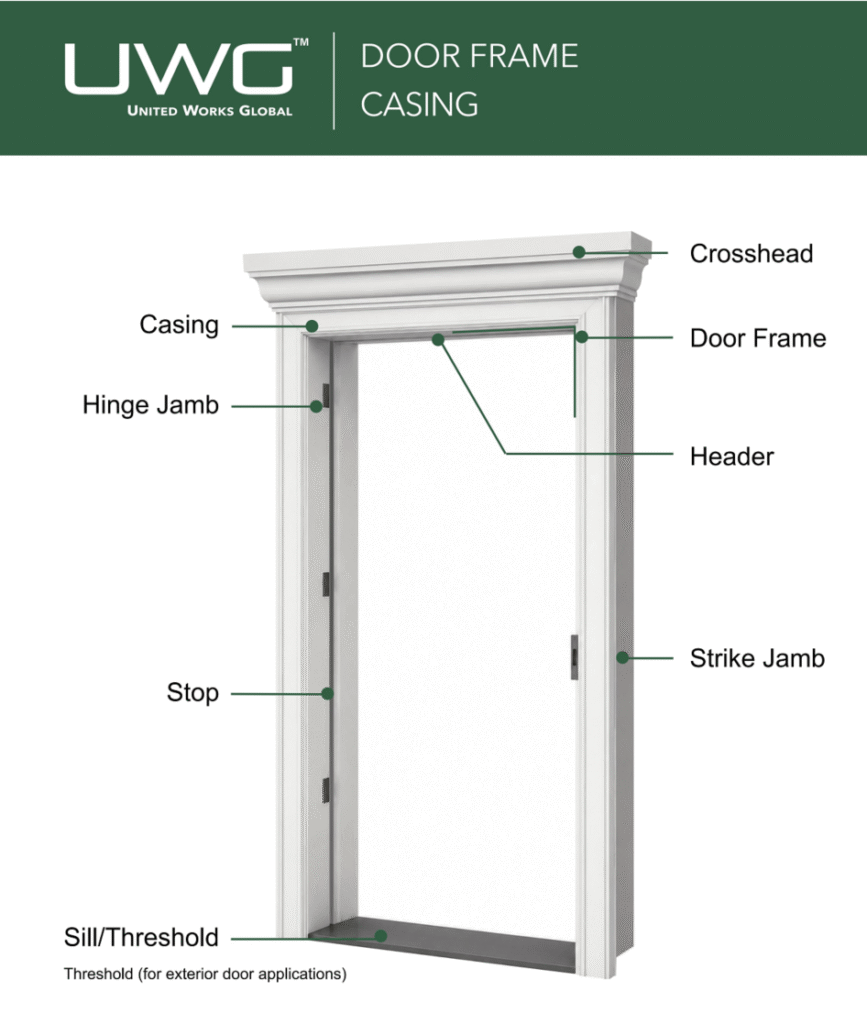
Types of Door Jambs: Double Rabbeted vs Single Rabbeted vs Split vs Flat
When selecting a door jamb style, it’s essential to match the specific characteristics of the jamb with the needs of the project. Below are the definitions of each jamb style, along with recommendations for compatible door types and suitable applications.
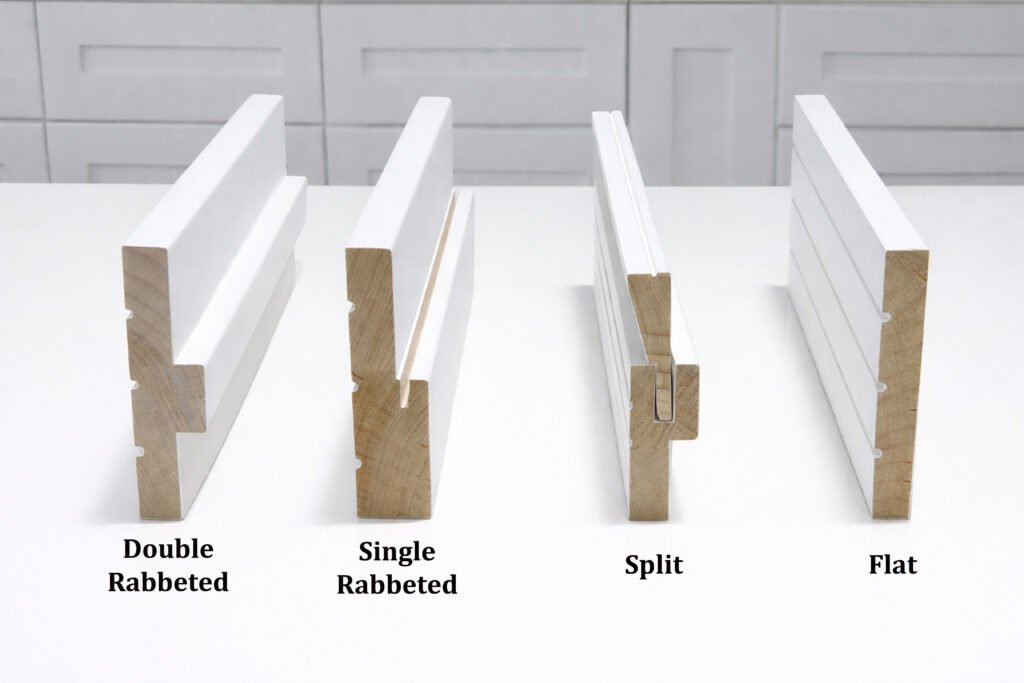
a. Double Rabbeted Jamb
Definition: A Double Rabbeted Jamb features two notched edges (rabbets) on each side of the frame. This design ensures that the door fits snugly against the frame, providing a tight seal and more refined finish. The double rabbet helps align the door with precision and offers a cleaner, more polished look, ideal for high-quality installations.
- Suitable Door Types: Double rabbeted jambs are most commonly used for interior doors, where a clean appearance, precise fit, and high-quality finish are required. They are ideal for solid wood doors, hinged doors, and panel doors.
- Compatible Applications:
- Residential Properties: These jambs are perfect for high-end homes or luxury buildings where aesthetics are a priority.
- Commercial Spaces: Ideal for upscale commercial areas that require a professional and polished look, such as corporate offices, lobbies, or hotels.
- Advantages: The double rabbet provides a clean, precise fit and improves insulation and soundproofing. It also enhances the overall aesthetic of the space.
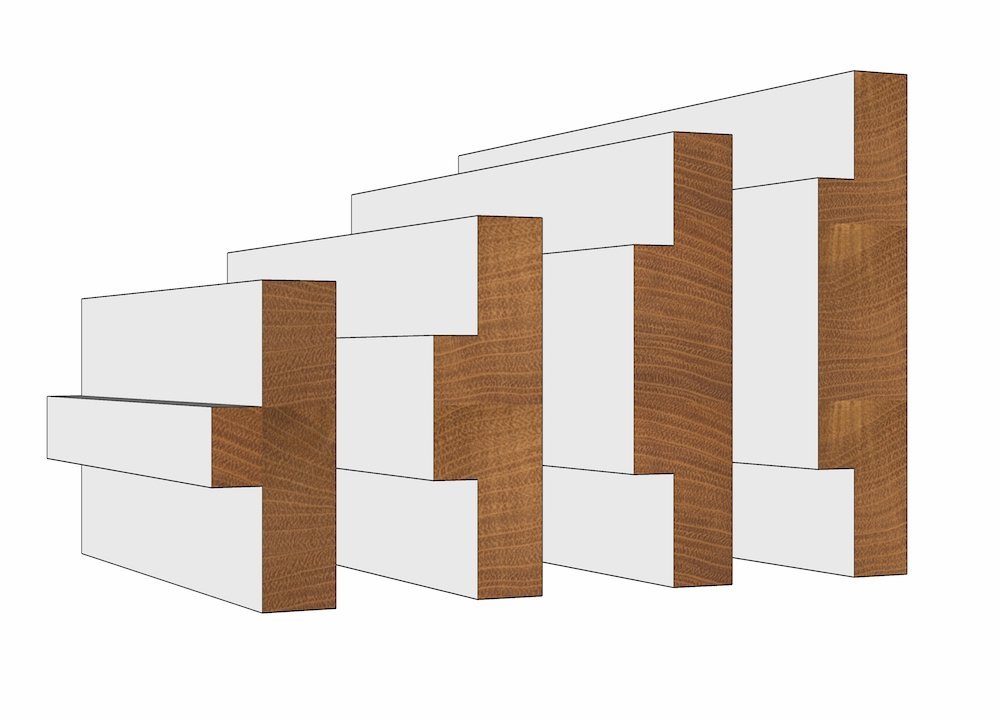
b. Single Rabbeted Jamb
Definition: A Single Rabbeted Jamb is a type of door frame that features an L-shaped profile, where the jamb has a single recessed edge (rabbet) designed to receive the door panel. This design ensures a snug fit between the door and the frame, improving security, insulation, and overall stability.
- Suitable Door Types: Commonly used with exterior doors and fire-rated doors, where durability and proper sealing are critical.
- Scenarios: Ideal for settings that require enhanced protection against weather, noise, or fire, such as residential main entrances, commercial buildings, and industrial facilities. Its L-shaped rabbet also helps in achieving a clean and finished look while ensuring the door closes tightly against the frame.
Key Advantages:
- Provides a secure and tight closure for doors that need to meet safety or environmental standards.
- Simplifies installation for doors that require consistent alignment with the frame.
- Enhances the door’s resistance to forced entry or environmental elements.
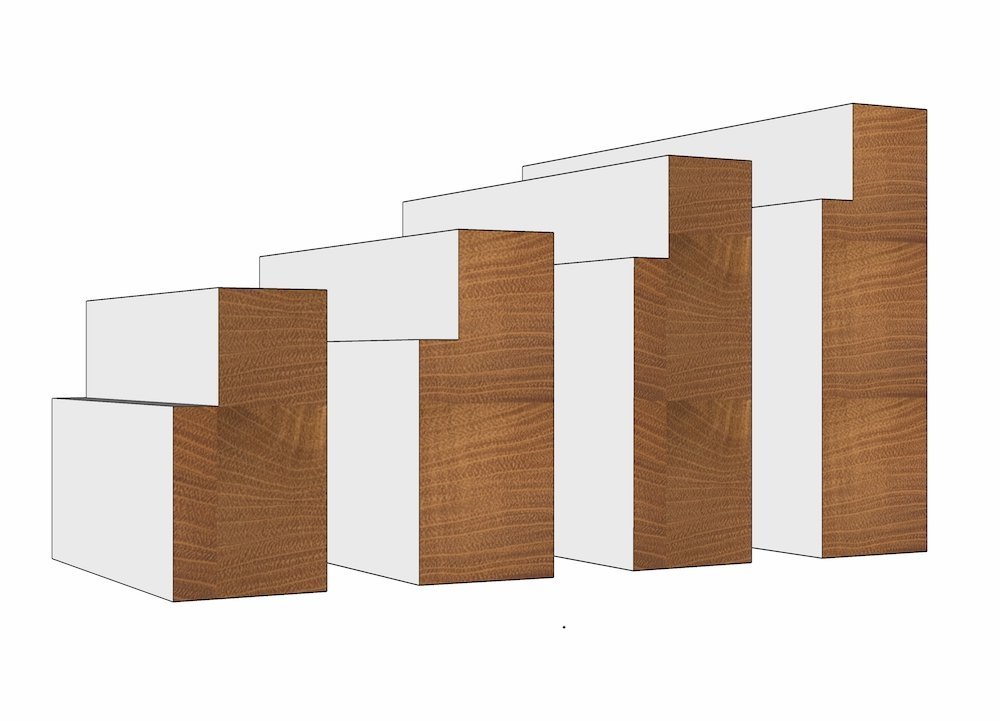
c. Split Jamb
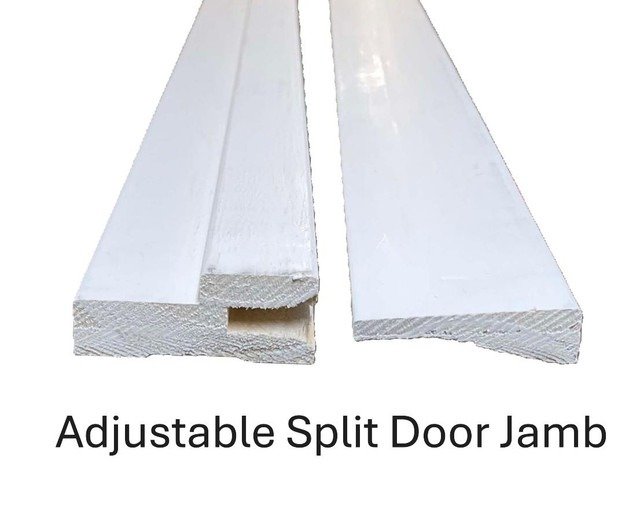
Definition: A Split Jamb consists of two separate components: the main jamb and a separate trim or casing piece. This design allows the frame to be adjusted and assembled on site, making it easier to achieve a precise fit during installation. Split jambs are commonly used in modern door frame systems where flexibility and alignment are important, especially when dealing with uneven wall surfaces or non-standard openings.
Suitable Door Types: Split jambs are commonly used for both interior and exterior doors in residential and commercial projects. They are suitable for wood, fiberglass, and steel doors, particularly in applications that require installation flexibility and accurate on-site adjustment.
Compatible Applications:
- Renovations and Remodels: Ideal for existing buildings where wall conditions may not be uniform and precise adjustment is required.
- New Construction: Commonly used in projects that require efficient installation and flexible framing solutions across different wall thicknesses and openings.
Advantages: Split jambs simplify on-site installation and improve adaptability to uneven walls or irregular openings. Their adjustable structure helps ensure proper door alignment, stable performance, and consistent finishing quality across different construction conditions.
d. Flat Jamb
Definition: A Flat Jamb is a type of door frame with a straight, flat profile that does not have any rabbet or recessed edge. The door panel sits flush with the frame, creating a clean and minimalistic appearance. This type of jamb is simple in design and widely used for interior doors where high-security sealing is not required. Please note that with a flat jamb, the door stop needs to be added separately by the customer.
- Suitable Door Types: Flat jambs are most commonly used with lightweight doors, including hollow core doors, flush doors, and simple panel doors. They are more suitable for interior doors in areas where visual appeal isn’t a primary concern.
- Compatible Applications:
- Budget-Conscious Projects: Great for temporary or utilitarian applications, such as in storage rooms, utility rooms, or garages.
- Industrial or Utility Spaces: Often used in warehouses, factories, or other industrial settings where functionality outweighs aesthetics.
- Advantages: Flat jambs are easy to manufacture, cost-effective, and quick to install. They provide a functional, no-frills solution for basic door needs.
Quick Answer: Which Door Jamb Style Should You Choose?
If you are selecting a door jamb for your project, the best choice depends on door type, installation method, and project requirements. The table below provides a quick comparison to help builders, contractors, and wholesalers make the right decision.
Door Jamb Comparison Table
| Jamb Type | Structure Description | Best For | Door Types | Installation Use Case | Installation Difficulty | Performance Level | Key Advantages |
|---|---|---|---|---|---|---|---|
| Double Rabbeted Jamb | Two notched (stepped) edges on both sides of the frame for a tight, flush fit | High-end residential & commercial projects | Solid wood, panel, fire-rated doors | Interior doors requiring precise alignment and premium finish | ★★★★☆ (Precise alignment required) | High sealing, insulation & soundproofing | Premium finish, tight fit, improved acoustic and thermal performance |
| Single Rabbeted Jamb | L-shaped profile with one recessed edge for the door panel | Exterior doors, main entrances, fire-rated doors | Solid core, steel doors | Security-focused openings requiring tight closure and weather resistance | ★★★☆☆ | Strong sealing and durability | Reliable weather resistance, secure closure, structural strength |
| Split Jamb | Two adjustable components that wrap around the wall for on-site adjustment | Renovation projects, uneven walls, non-standard openings | Wood, fiberglass, steel doors | Field installation requiring flexibility and wall thickness adjustment | ★★☆☆☆ (Easy for installers) | Medium sealing, high adaptability | Easy installation, adjustable fit, ideal for uneven walls |
| Flat Jamb | Simple flat profile with no rabbet; door stop installed separately | Budget interior projects, utility spaces | Hollow core, flush doors | Basic interior installations with standard openings | ★★☆☆☆ (Simple & quick) | Basic sealing performance | Most cost-effective, simple structure, easy production |
In general, double rabbeted jambs are preferred for interior finish quality, single rabbeted jambs are used for performance and security, split jambs offer installation flexibility, and flat jambs provide the most economical solution.
Standard Door Jamb Sizes and Dimensions
Before selecting a jamb type, it’s essential to understand door jamb sizing, as it directly affects installation and fit.
Standard Jamb Widths
Typical door jamb widths range from 4-9/16″ (116 mm) to 6-9/16″ (167 mm), depending on the wall’s total thickness. Thicker walls require wider jambs to ensure the frame sits flush with both sides of the drywall.
Double Rabbeted Jamb Sizes
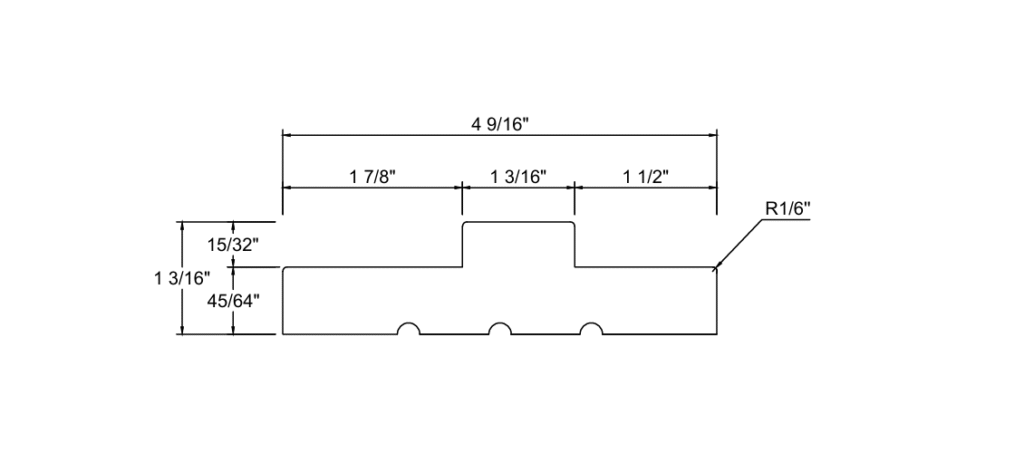
A double rabbeted jamb has two rabbets, with the frame measuring 1-3/16 inch (≈1.19″) thick, one rabbet 1-7/8 inch (≈1.88″) deep and the other 1-1/2 inch (≈1.50″) deep.
Single Rabbeted Jamb Sizes
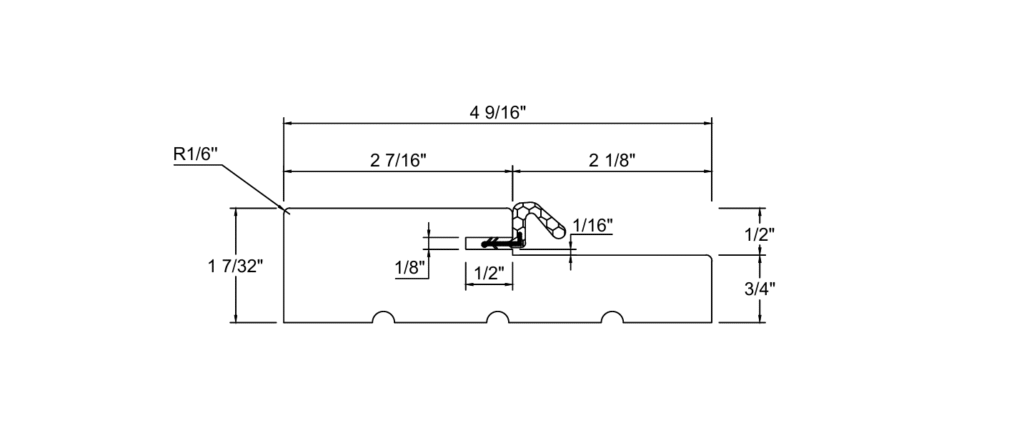
The single rabbeted jamb, sometimes called an L-type jamb, has one recessed edge that forms an “L” shape to receive the door panel. It generally measures 1-7/32 inch (≈1.22″) thick, with a rabbet depth of approximately 2-1/8 inch (≈2.13″).
Split Jamb Sizes
A split jamb, making it highly versatile for varying wall thicknesses, has a frame thickness of approximately 1-1/16 inch (≈1.06″).
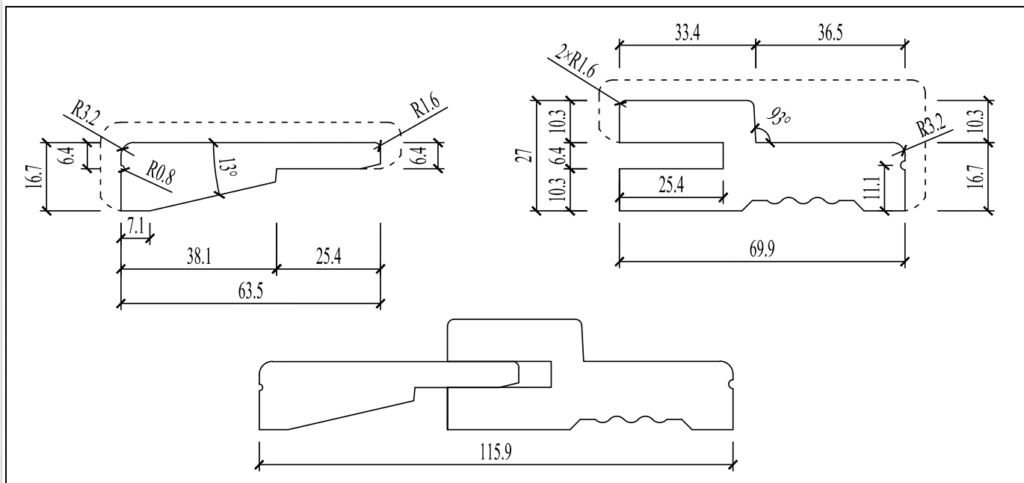
Flat Jamb Sizes
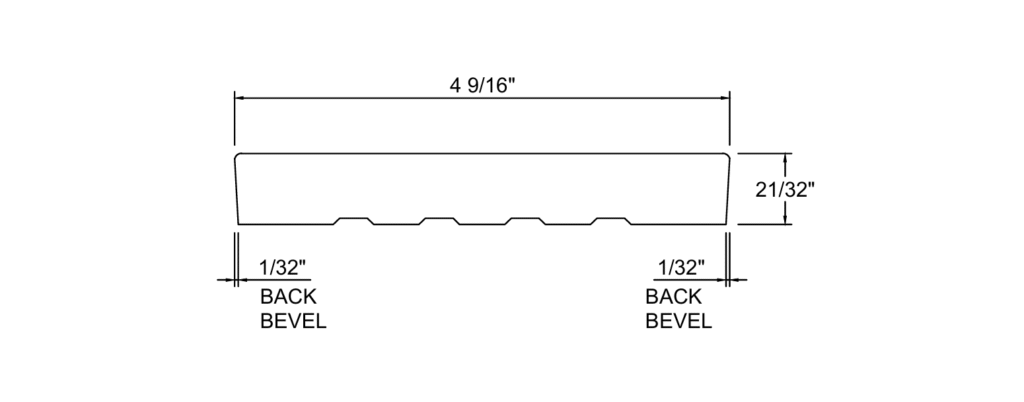
The flat jamb is typically 21/31 inch (≈0.68″) thick, providing a clean and minimal frame for interior doors. Since there is no integrated stop or rabbet, a separate door stop molding is added during installation.
Key Factors in Choosing a Jamb Style
Selecting the right door jamb involves several practical considerations, including climate, budget, maintenance, and building codes. Here’s a brief look at the key factors:
Climate and Environmental Considerations
Wooden jambs expand and contract with temperature and humidity changes. For humid or fluctuating climates, Double Rabbeted or Split Jambs are ideal for added durability and better sealing. Flat Jambs may be less effective in such environments.
- Humid or Wet Climates: Double Rabbeted or Split Jambs for better insulation.
- Dry or Mild Climates: Single Rabbeted or Flat Jambs.
Maintenance
Double Rabbeted Jambs may require more upkeep due to their precise fit, while Flat and Single Rabbeted Jambs are easier to maintain but may not provide as tight a seal, impacting insulation.
- Low Maintenance: Flat and Single Rabbeted Jambs.
- Higher Maintenance: Double Rabbeted Jambs.
Building Codes and Standards
Local building codes may require specific jamb types for security or fire-rated doors. Double Rabbeted Jambs are commonly used for these specialized needs, while Flat Jambs may not meet these standards.
- Fire-Rated or Secure Doors: Double Rabbeted/Single Rabbeted Jambs.
- General Use: Single Rabbeted and Flat Jambs.
Frequently Asked Questions About Door Jamb Styles
1. What is a Double Rabbeted door jamb?
A double rabbeted jamb features two notched edges on each side of the frame. This design provides a tight, flush fit that improves insulation and soundproofing, making it ideal for high-end residential and commercial projects using solid wood or panel doors.
2. When should I use a Single Rabbeted jamb?
A single rabbeted jamb has an L-shaped profile with one recessed edge. It provides a secure, tight closure and is commonly used for exterior doors, main entrances, and fire-rated doors where durability and weather sealing are critical.
3. What is the main advantage of a Split Jamb?
A split jamb consists of two adjustable pieces that wrap around the wall. Its main advantage is flexibility during installation, making it highly effective for pre-hung doors and remodeling projects where you need to accommodate uneven wall thicknesses.
4. What is a Flat Jamb and where is it best used?
A flat jamb features a straight, simple profile without an integrated rabbet (the door stop is added separately during installation). It is the most cost-effective option and is best suited for budget-conscious projects, utility rooms, and interior spaces using lightweight hollow core doors.
5. What is the difference between a door jamb and a door frame?
A door frame is the full structure around the opening, including the head, jambs, and stops. A door jamb is only the vertical side part of the frame that supports the door and ensures alignment.
6. What is the most common door jamb size?
Standard door jamb sizes are typically 4-9/16″ for 2×4 walls and 6-9/16″ for 2×6 walls, matching common North American wall construction.
7. Are split jambs better than flat jambs?
Split jambs are more flexible and ideal for uneven walls or adjustments. Flat jambs are simpler and more cost-effective for standard interior applications.
8. Can a double rabbeted jamb be used for fire-rated doors?
Yes. Double rabbeted jambs can be used in fire-rated assemblies if they meet required certification and system standards.
Conclusion
The best door jamb style depends on door type, wall construction, installation method, and overall project requirements.
For premium residential and commercial applications, double rabbeted jambs provide a refined appearance, precise alignment, and enhanced performance. For exterior doors and fire-rated openings, single rabbeted jambs deliver strong sealing performance, durability, and security. Split jambs are commonly used in renovation projects and installations that require flexibility and adaptation to uneven wall conditions, while flat jambs are a cost-effective solution for standard interior applications where simplicity and efficiency are priorities.
Understanding different door jamb types, dimensions, and installation scenarios helps builders, contractors, distributors, and wholesalers select the most suitable door frame system for long-term performance, installation efficiency, and project consistency.