
A door sweep may look like a small accessory, but it plays an important role in overall door performance. For builders, contractors, and door distributors, choosing the right door bottom seal can directly affect energy efficiency, weather protection, installation quality, and long-term customer satisfaction.
Different projects have different requirements. A residential exterior door exposed to rain and temperature changes may need a different solution compared with an interior apartment door or a high-traffic commercial entrance.
Understanding the different types of door sweeps helps builders select the right product based on door application, climate conditions, installation method, and project budget.
What Is a Door Sweep and Why Does It Matter?
A door sweep is a sealing component installed along the bottom edge of a door. Its main purpose is to close the gap between the door slab and the threshold or floor, creating a barrier against outside elements.
How Door Sweeps Improve Door Performance
A properly selected door bottom seal can help:
- Reduce air leakage and improve energy efficiency
- Prevent rainwater, dust, and insects from entering
- Improve indoor comfort by controlling drafts
- Reduce noise transmission in certain applications
- Protect interior spaces from weather exposure
For exterior doors, door sweeps are especially important because even a small gap at the bottom of the door can affect insulation performance and weather resistance.
For builders managing large residential or commercial projects, selecting the correct door sweep during the specification stage can also reduce field adjustments and installation delays.
Different Types of Door Sweeps
Door sweeps are available in different materials and designs. The best option depends on the door type, expected usage, and performance requirements.
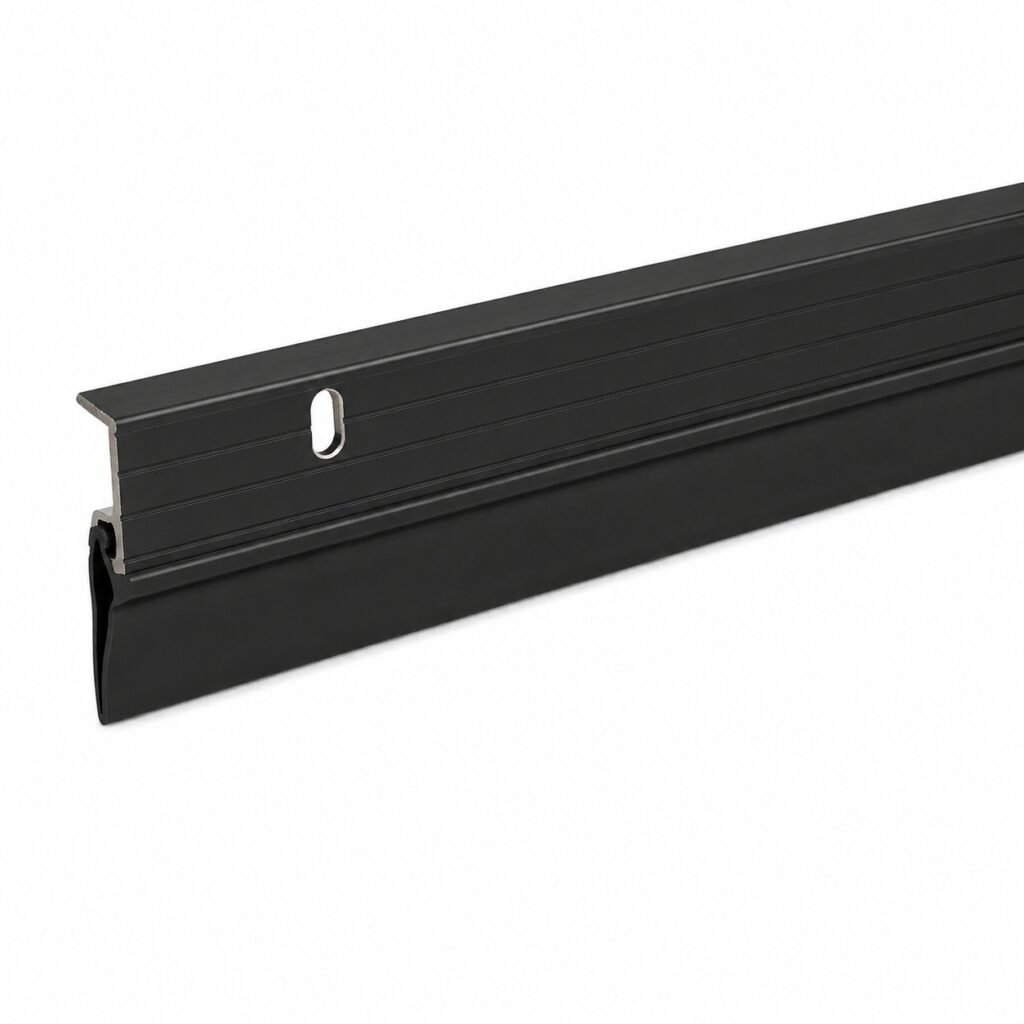
Aluminum Door Sweep
Aluminum door sweeps are one of the most common choices for exterior doors because they provide durability and long-term performance.
Typical features include:
- Rigid aluminum housing for structural support
- Weather-resistant design
- Compatibility with fiberglass, wood, and metal doors
- Suitable performance for residential and commercial applications
Aluminum door sweeps are often used on entry doors where protection against rain, wind, and temperature changes is important.
However, builders should consider that aluminum options may have a higher initial cost compared with basic vinyl solutions. The additional investment is usually related to improved durability and longer service life.
Vinyl Door Sweep
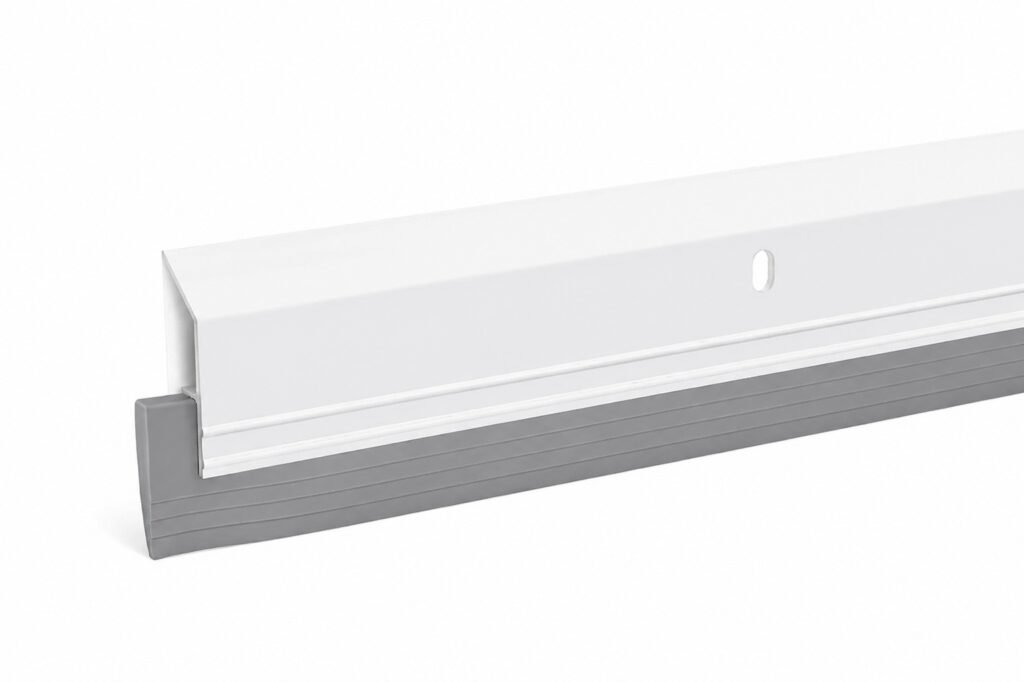
Vinyl door sweeps are a practical option for projects where cost efficiency is a priority.
Advantages include:
- Lower material cost
- Flexible sealing performance
- Easy replacement
- Suitable for many residential applications
Vinyl seals work well in standard residential environments. However, for doors exposed to extreme weather conditions or heavy daily usage, a more durable material may provide better long-term value.
Brush Door Sweep
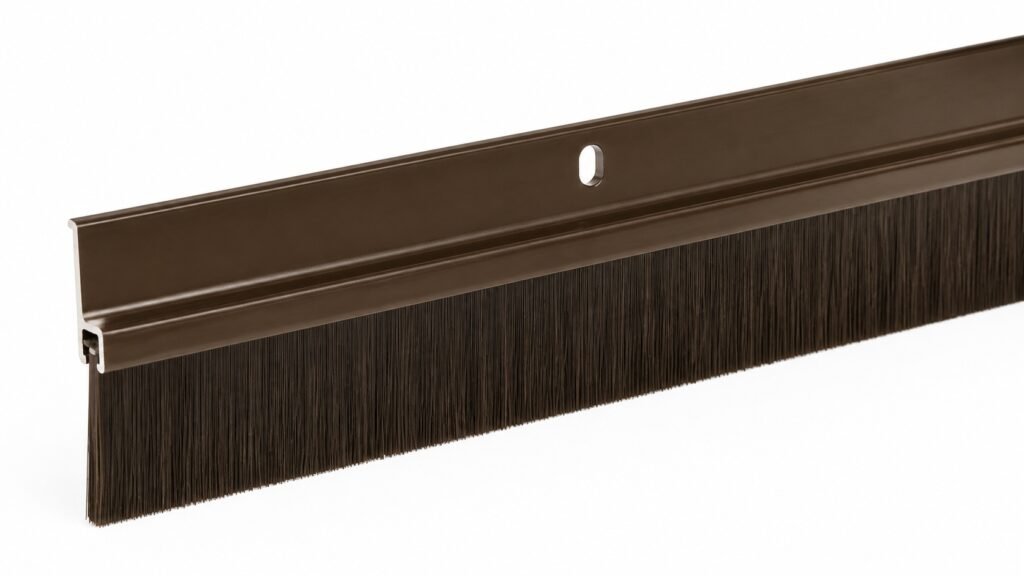
Brush door sweeps use flexible bristles to create a barrier at the bottom of the door.
They are commonly used where floor conditions may not be perfectly level because the brush design can adapt to small surface variations.
Common applications include:
- Commercial buildings
- Office spaces
- Warehouses
- High-traffic areas
Compared with rigid seals, brush sweeps can reduce friction when doors open and close frequently.
Automatic Door Bottom Seal
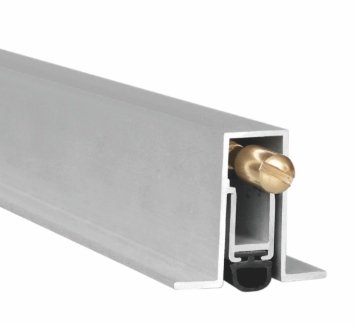
Automatic door bottom seals are designed to provide improved sealing performance while maintaining smooth door operation.
When the door closes, the seal automatically drops to close the gap. When the door opens, it retracts to reduce contact with the floor.
Benefits include:
- Better sealing performance
- Reduced floor friction
- Cleaner appearance
- Suitable for premium residential and commercial projects
They are often selected for applications where sound control, comfort, and appearance are important.
How to Choose the Right Door Sweep for Different Projects
Choosing a door sweep should start with understanding where and how the door will be used.
Exterior Door Applications
Exterior doors require stronger protection because they are directly exposed to outdoor conditions.
Builders should consider:
- Rain and moisture exposure
- Temperature changes
- Door threshold design
- Required energy performance
For fiberglass entry doors and exterior residential doors, a durable weather-resistant door bottom seal is usually preferred to improve long-term performance.
Interior Door Applications
Interior doors normally have lower weather requirements, but door sweeps can still provide benefits.
Common uses include:
- Improving privacy
- Reducing sound transfer
- Controlling airflow between rooms
- Improving comfort in conditioned spaces
For apartments, hotels, and office projects, interior door seals can contribute to better occupant experience.
Commercial Door Applications
Commercial doors usually require products designed for frequent operation.
Important considerations include:
- High opening and closing frequency
- Durability requirements
- Maintenance expectations
- Accessibility requirements
A commercial door sweep should balance sealing performance with smooth daily operation.
Key Factors Builders Should Consider Before Ordering Door Sweeps
Door Type and Threshold Compatibility
Before selecting a door sweep, builders should confirm:
- Door material
- Door thickness
- Existing threshold design
- Available clearance at the bottom of the door
A good door sweep should work together with the entire door system rather than function as an isolated component.
Climate and Weather Exposure
Project location can influence the best choice.
For example:
- Coastal areas may require better moisture resistance
- Cold climates may prioritize reducing air leakage
- Hot climates may focus on limiting dust and outdoor air infiltration
Understanding local conditions helps avoid premature replacement and performance issues.
Installation and Maintenance Requirements
For large-scale projects, installation efficiency matters.
Builders should consider:
- Factory installation options
- Field adjustment requirements
- Replacement convenience
- Compatibility with prehung door packages
Confirming specifications before production can help reduce labor costs and prevent installation problems on-site.
Common Questions About Door Bottom Seals
Do Exterior Doors Need Door Sweeps?
Most exterior doors benefit from a properly selected door sweep because it helps reduce air leakage and prevent water and debris from entering.
The exact product choice depends on the door design, threshold, and project environment.
Which Door Sweep Is Best for Fiberglass Doors?
Fiberglass doors are commonly paired with aluminum-based or durable weather-resistant door sweeps because they provide reliable protection for exterior applications.
However, the best option depends on the door system and performance requirements.
Can a Door Sweep Improve Energy Efficiency?
Yes. A door sweep helps reduce uncontrolled air movement through the gap between the door and threshold. While it is only one part of the complete door system, proper bottom sealing contributes to better overall performance.
Conclusion
Choosing the right door sweep is a small but important decision in door specification. The correct door bottom seal can improve weather resistance, installation quality, and long-term performance.
For builders and contractors, the best choice is not always the cheapest option. Material, application, climate, and installation requirements should all be considered together.
By understanding the differences between aluminum, vinyl, brush, and automatic door bottom seals, project teams can select solutions that better match their performance goals and customer expectations.
Articles that you may be interested in:
How to Choose the Right Exterior Door Configurations: A Complete Guide for Builders and Homeowners
Installing Exterior Doors: Choosing the Right Hinges and Reinforcements