
Window hardware plays a critical role in the overall functionality, security, and energy efficiency of windows. While homeowners often focus on glass quality and frame materials, hardware components such as hinges, handles, locks, rollers, and friction stays are equally important for long-term performance. Without proper maintenance, even high-quality window hardware can suffer from corrosion, wear, and operational failure, leading to costly repairs or replacements.
This comprehensive guide explains how to maintain window hardware effectively, helping homeowners, builders, and property managers maximize durability, improve safety, and extend the service life of their windows.
To ensure long-term window performance, hardware components such as hinges, locks, handles, rollers, and friction stays require regular inspection, cleaning, lubrication, and adjustment. Proper maintenance prevents corrosion, reduces wear, improves security, and extends hardware lifespan. Clean hardware every three to six months, use silicone-based lubricants, tighten loose screws, and replace damaged parts promptly. Environmental factors such as humidity, coastal exposure, and heavy usage may require more frequent maintenance. By following a structured maintenance schedule, homeowners and builders can reduce repair costs, enhance energy efficiency, and keep windows operating smoothly for many years.
Why Window Hardware Maintenance Matters
Window hardware experiences constant movement and exposure to environmental conditions. Over time, dirt, moisture, dust, and temperature fluctuations can affect performance.
Proper maintenance provides several benefits:
- Extends hardware lifespan
- Prevents premature replacement costs
- Improves window security
- Enhances smooth operation
- Maintains energy efficiency
- Reduces risk of hardware failure
Regular maintenance is especially important in coastal regions, humid climates, and commercial buildings where windows are used frequently.
Key Window Hardware Components Requiring Maintenance
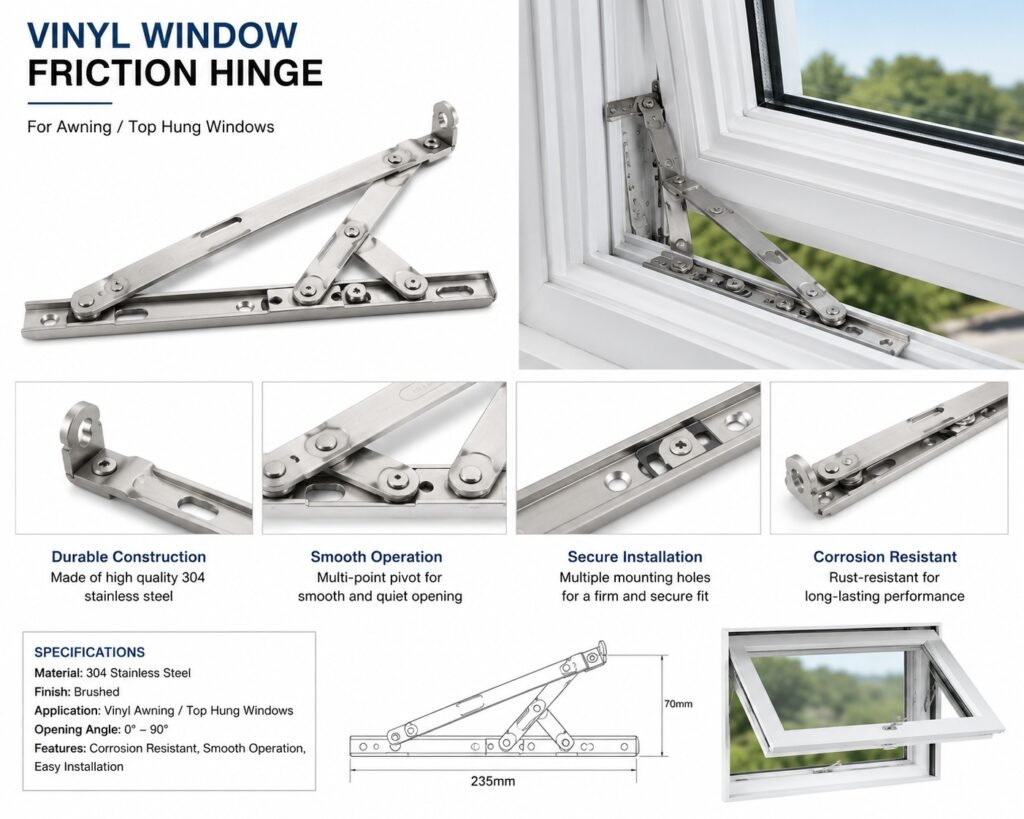
1. Hinges
Hinges support the weight of the window sash and ensure smooth opening and closing.
Common issues include:
- Rust formation
- Loose screws
- Squeaking noises
- Misalignment
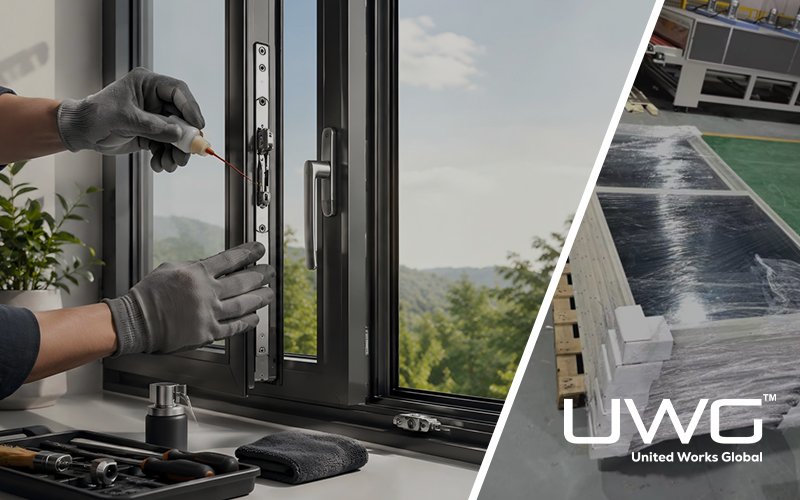
Maintenance tips:
- Clean dirt and debris every three months.
- Apply silicone lubricant to moving joints.
- Inspect screws and tighten when necessary.
- Replace heavily corroded hinges immediately.
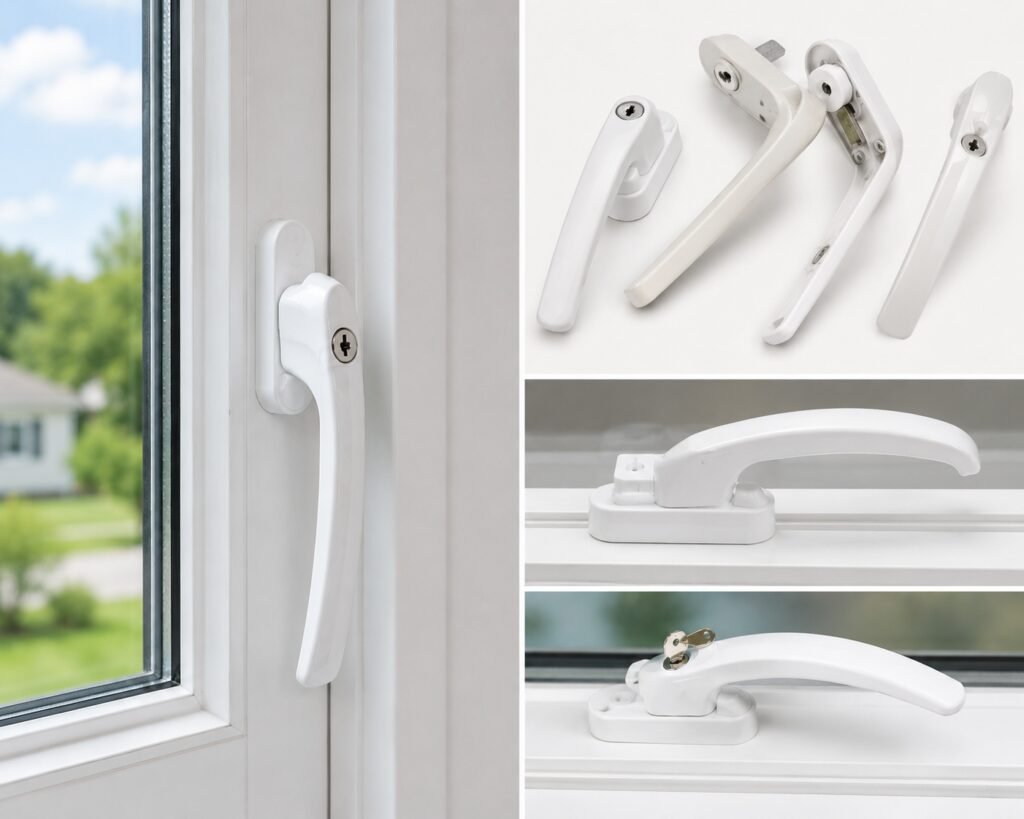
2. Window Handles
Handles are among the most frequently used hardware components.
Common problems:
- Loose operation
- Stiff movement
- Surface wear
Maintenance tips:
- Wipe with a damp cloth regularly.
- Avoid abrasive cleaning chemicals.
- Check fastening screws twice per year.
- Lubricate internal mechanisms if movement becomes difficult.
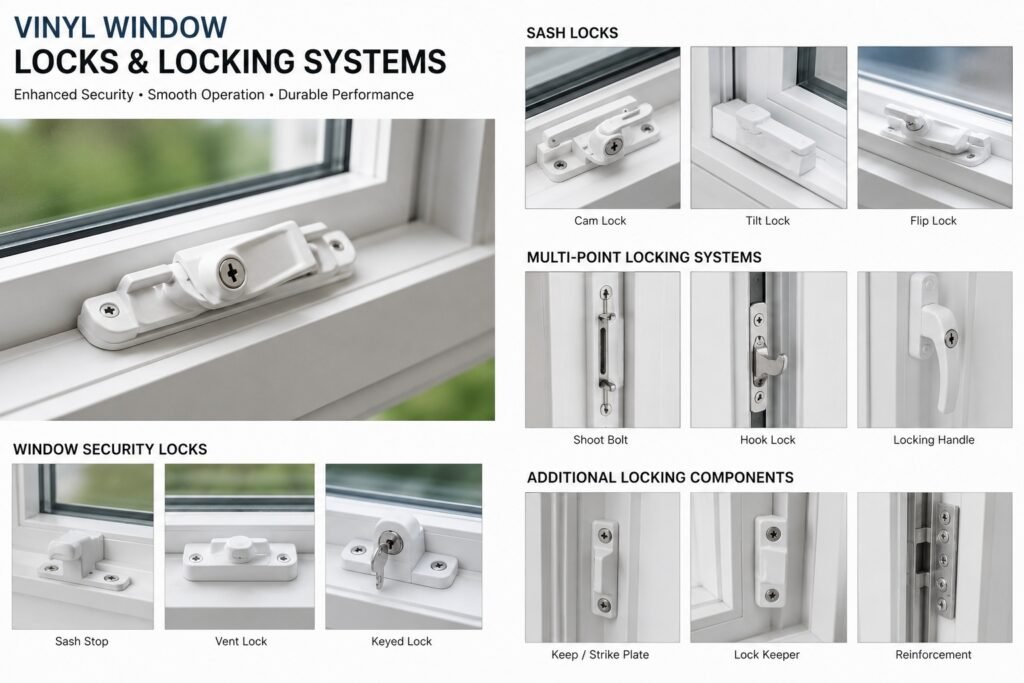
3. Locks and Locking Systems
Window locks are essential for security and weather sealing.
Maintenance recommendations:
- Test locking function monthly.
- Remove accumulated dust.
- Lubricate lock cylinders annually.
- Replace damaged locking components promptly.
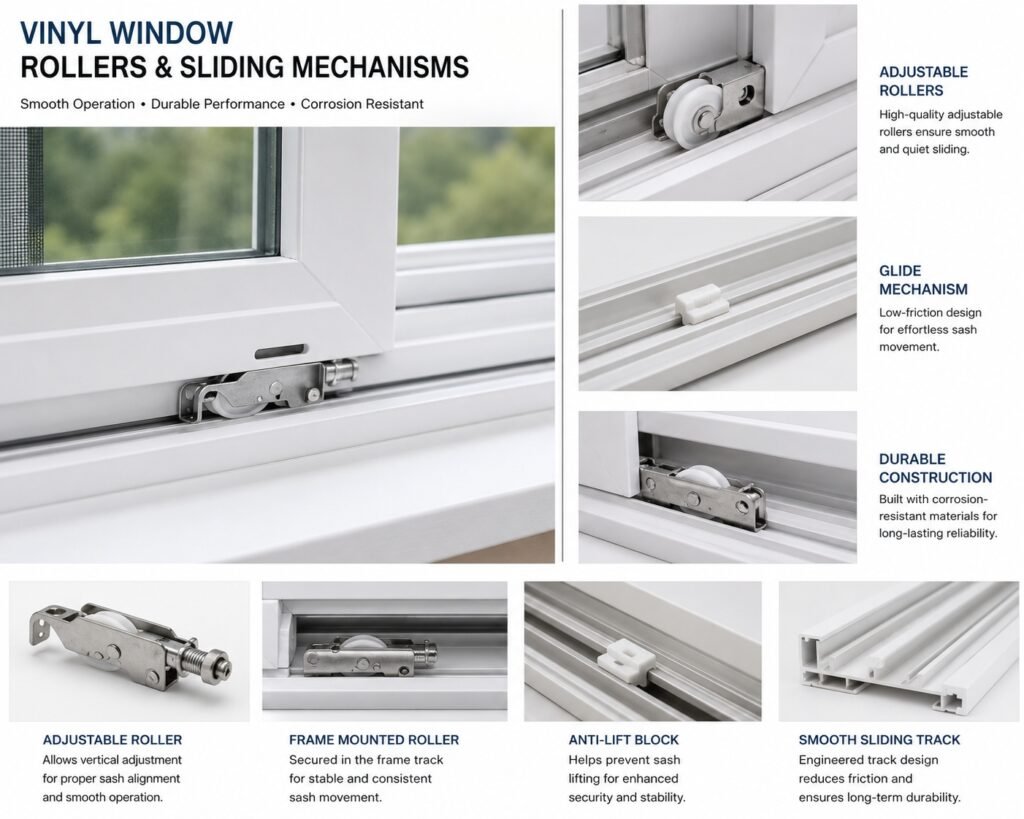
4. Rollers and Sliding Mechanisms
Sliding windows rely heavily on roller systems.
Common issues:
- Debris accumulation
- Uneven movement
- Roller wear
Maintenance tips:
- Vacuum tracks regularly.
- Remove dirt from roller assemblies.
- Lubricate tracks with silicone spray.
- Replace worn rollers to prevent track damage.
5. Friction Stays
Friction stays control opening angles and support casement windows.
Maintenance tasks:
- Inspect for corrosion.
- Clean moving arms.
- Lubricate pivot points.
- Check load-bearing capacity annually.
Recommended Maintenance Schedule
| Maintenance Task | Frequency | Purpose |
| Surface Cleaning | Monthly | Remove dirt and contaminants |
| Hardware Inspection | Every 3 Months | Identify wear and damage |
| Lubrication | Every 6 Months | Reduce friction and wear |
| Screw Tightening | Every 6 Months | Prevent loosening and misalignment |
| Corrosion Check | Annually | Detect rust and deterioration |
| Professional Inspection | Every 2–3 Years | Evaluate overall hardware condition |
Lubrication: Choosing the Right Product
Using the correct lubricant is critical.
Recommended Lubricants
| Lubricant Type | Suitable For | Advantages |
| Silicone Spray | Hinges, rollers, locks | Non-staining, long-lasting |
| PTFE Lubricant | Precision mechanisms | Low friction performance |
| Dry Lubricant | Dust-prone environments | Does not attract debris |
Avoid
- Heavy grease
- Cooking oils
- Petroleum-based products not intended for hardware
These products can attract dirt and accelerate wear.
Common Window Hardware Problems and Solutions
| Problem | Possible Cause | Solution |
| Window difficult to open | Dirt buildup or lack of lubrication | Clean and lubricate hardware |
| Squeaking noises | Dry hinges | Apply silicone lubricant |
| Loose handle | Fastener loosening | Tighten screws |
| Lock not engaging | Misalignment or debris | Clean and adjust locking system |
| Corrosion | Moisture exposure | Replace affected hardware |
Environmental Factors Affecting Hardware Longevity
Coastal Areas
Salt air accelerates corrosion.
Recommendations:
- Use stainless steel hardware.
- Increase cleaning frequency.
- Conduct quarterly inspections.
High-Humidity Regions
Moisture can cause oxidation and rust.
Recommendations:
- Improve ventilation.
- Use corrosion-resistant finishes.
- Lubricate more frequently.
High-Traffic Buildings
Commercial properties often experience heavier usage.
Recommendations:
- Schedule routine inspections.
- Replace worn components proactively.
- Maintain detailed maintenance records.
Signs That Hardware Should Be Replaced
Maintenance can extend hardware life, but replacement is sometimes necessary.
Replace hardware when you notice:
- Severe corrosion
- Cracks or deformation
- Broken locking mechanisms
- Persistent operational issues
- Structural weakness
Investing in replacement at the right time helps prevent larger window system failures.
Best Practices for Long-Term Window Performance
To maximize hardware lifespan:
- Follow a regular maintenance schedule.
- Use manufacturer-recommended cleaning products.
- Choose high-quality hardware from reputable suppliers.
- Address minor issues before they become major problems.
- Keep maintenance records for large residential or commercial projects.
Consistent maintenance not only protects the hardware itself but also preserves the overall performance, security, and energy efficiency of the window system.
Frequently Asked Questions About Window Hardware Maintenance
Q: How often should window hardware be inspected and maintained?
A: Window hardware should be inspected at least twice a year—ideally in the spring and fall—to ensure that all moving parts are clean, free of debris, and operating smoothly. Regular attention prevents the buildup of dust and grime that can cause friction, wear, and mechanical strain.
Q: What is the recommended way to clean window tracks and hardware?
A: Start by vacuuming out any loose dirt or debris from the window tracks. Use a soft cloth with a mild, non-abrasive soap and water solution to clean the metal surfaces. Avoid harsh chemicals or industrial cleaners, as these can strip protective finishes and lead to premature corrosion.
Q: Should I use lubricant on my window hardware?
A: Yes, but only sparingly. Apply a high-quality, silicone-based lubricant to hinges, locks, and crank mechanisms. Never use oil-based lubricants or grease, as they tend to attract dust and dirt, which can create a sticky residue that damages the mechanisms over time.
Q: What are the early signs that window hardware needs repair or replacement?
A: Early warning signs include difficulty in opening or closing the window, grinding or squeaking noises during operation, visible rust or corrosion on the metal parts, and hardware that feels loose or “wobbly.” Addressing these issues early can prevent a simple adjustment from becoming a full hardware replacement.
Conclusion
Window hardware is a small but essential component of every window system. Proper maintenance ensures smooth operation, enhanced security, improved energy performance, and longer service life. By implementing regular cleaning, lubrication, inspections, and timely repairs, homeowners and building professionals can significantly reduce maintenance costs while extending the lifespan of their windows. A proactive maintenance strategy is one of the most effective ways to protect your investment and ensure reliable window performance for years to come.
Articles that you may be interested in:
What Are Casement Windows? Pros, Cons, and Benefits Explained
Types of Vinyl Windows: Which Style Is Best for Your Project?